



Cutting Carbon in the Fab: Why Carbon Fiber IR Actually Works
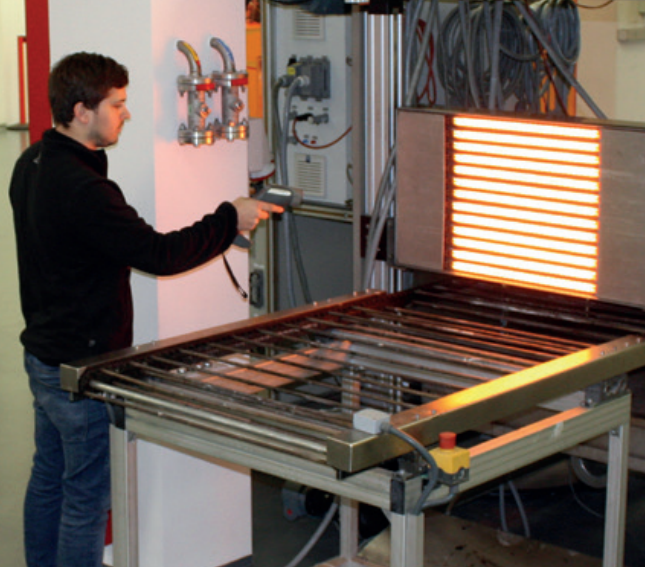
If you’ve spent any time in a semiconductor fab, you know the struggle with temperature control. It’s a constant battle. For a long time, we’ve relied on old-school resistive heaters or gas ovens, but those things are basically energy hogs. That’s why we’ve been moving toward carbon fiber infrared (IR) lamps. Instead of trying to heat up the air around the part—which is a waste of time and power—these lamps send heat straight to the target via radiation. It’s a much cleaner way to run a factory. The secret is in the filament. Most lamps use metal coils. Ours use a carbon core wrapped in a special ceramic or quartz sleeve. Because of that design, they hit those high operating temperatures without sucking a massive amount of power from the grid. We focus on short-wave and medium-wave emissions. In plain English? The energy hits the wafer or substrate directly. You aren’t wasting electricity heating up the machine’s chassis or the air in the room. It just goes where it needs to go. What this actually does for your metrics Here is the best part: the warm-up time. We’re talking about going from “off” to “ready” in seconds, not hours. When you look at the kWh per wafer, the drop is huge. In a high-volume plant, that adds up to a massive reduction in the total load on your electrical grid. Plus, these systems are built for rapid cycling. You can crank the heat up or kill it almost instantly. That kind of precision stops you from overshooting your target temperature—which is usually how you end up wasting energy and ruining a whole batch of wafers. The reality check Now, it’s not as simple as just swapping a bulb and walking away. Carbon fiber is a bit finicky. If your chassis vibrates too much or your mounting brackets are slightly off, you’ll snap the filament. It’s fragile. And because these lamps pack so much heat into a small space, you have to check your exhaust. If your cooling isn’t balanced, you’ll end up with concentrated thermal plumes and annoying hot spots in your cleanroom. We usually set these up as drop-in replacements for those aging thermal arrays. It’s a way to help plants hit their net-zero goals without having to tear down the entire production line and start over.