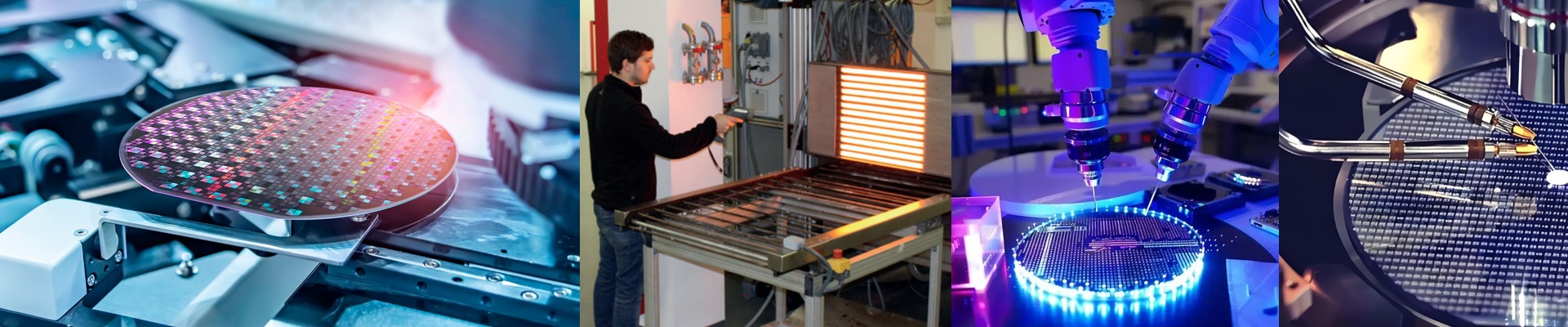
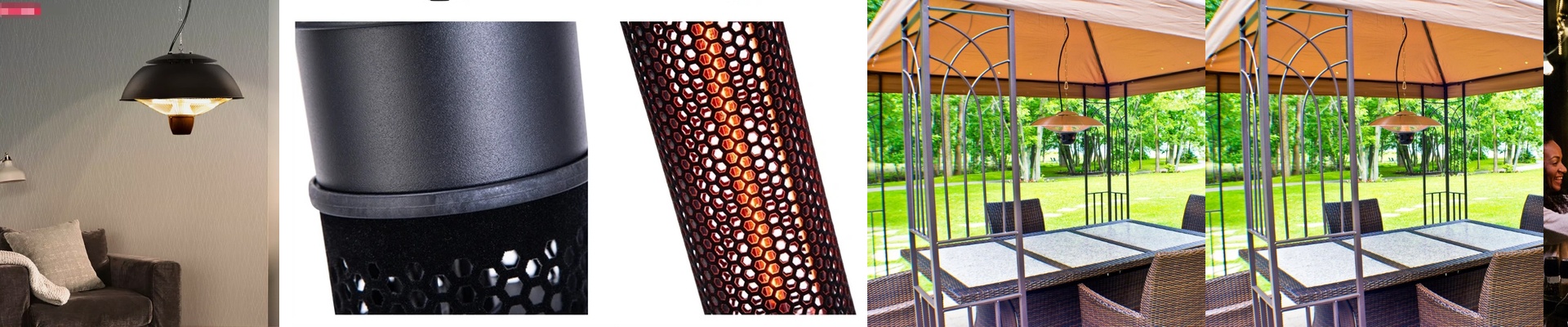
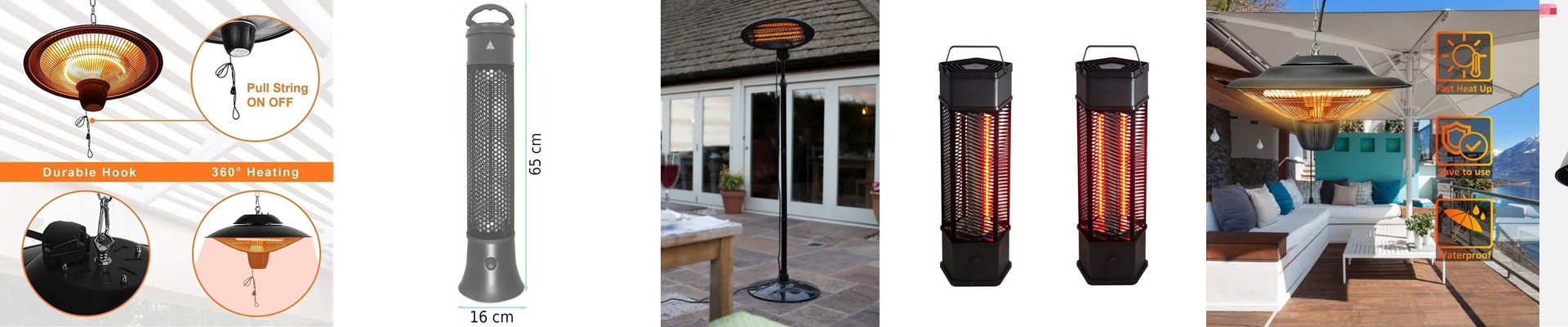
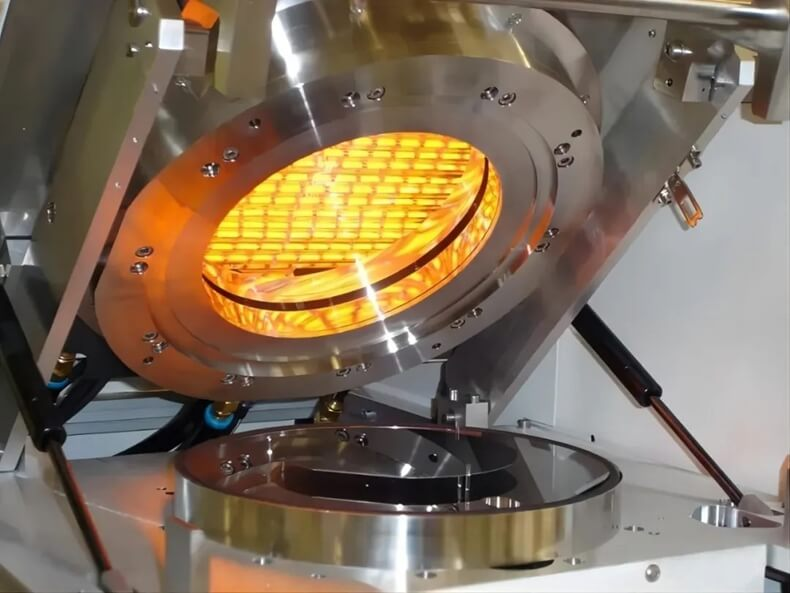
On the lithography floor, photoresist bake isn’t a warm-up. It’s the thermal anchor for critical dimension control. Soft bake drifts by 2°C, and your lines move by nanometers. We built the twin-tube infrared lamp to take that variability out of the equation. Here’s what matters technically. It runs on short-wave infrared, dumping energy straight into the photoresist without scorching the films underneath. Twin tubes balance irradiance across the wafer, giving you ±0.1°C surface uniformity. The response is under 2 seconds, so when you change the setpoint, the profile follows immediately. Repeatability holds within a few hundredths of a degree lot-to-lot. The quartz envelope and reflector geometry keep particle generation at zero, so you stay inside cleanroom Class 1–100 constraints. Why it works in production. You get stable critical dimension, fewer reworks, and fewer excursions. Soft bake and hard bake profiles stay consistent, and stochastic defects drop. Energy use falls because the lamp heats the photoresist, not the chamber. Units have run 5,000+ hours with less than 5% output drift. That means fewer preventive maintenance stops and predictable spares. A few practical notes. Installation needs a dedicated, shielded power feed and verified mounting alignment. The lamp’s performance hinges on reflector spacing to the wafer plane. It operates in a narrow voltage window, and ambient cooling has to be controlled to keep the thermal envelope where it should be. Plan the change-out around PM windows, not after a failure.