

Keeping it Clean: Why We Use High-Purity Quartz for Fab Heating
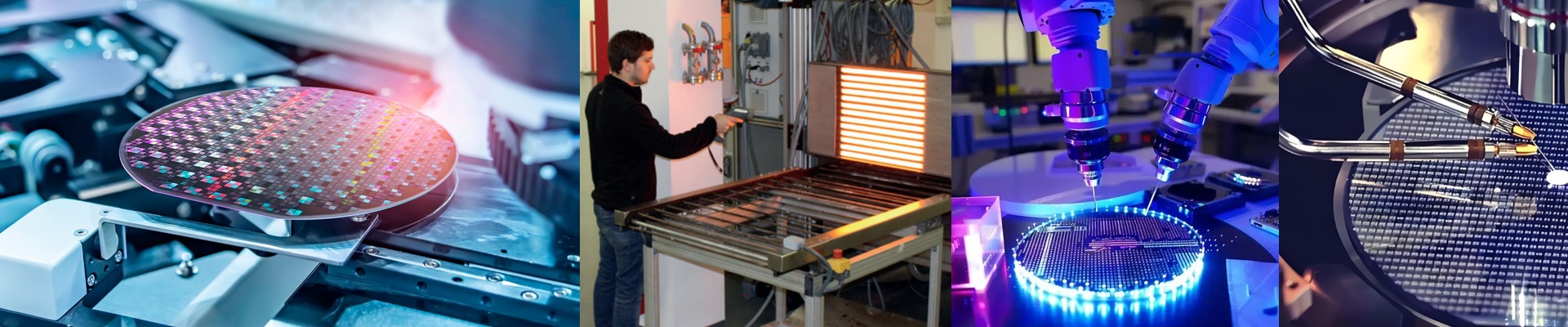
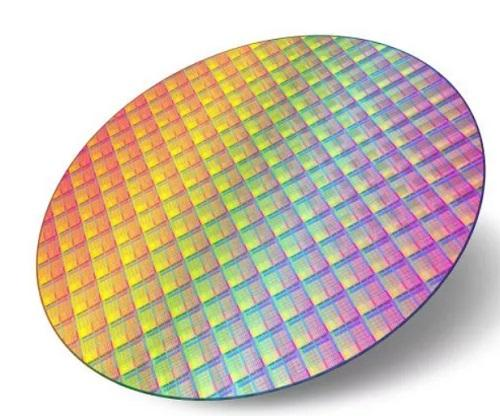
When you’re working in a Class 100 cleanroom, heating isn’t just about getting things hot. It’s a constant battle against particles. Standard heating elements are a nightmare in these environments. They shed bits of themselves and leak volatile organic compounds (VOCs) that can wreck a batch of wafers in seconds. To stop that from happening, we put our infrared lamps behind high-purity quartz shields. Here is why that actually matters. Most glass is full of stuff like boron or sodium. At high temperatures, those impurities start to migrate. Not great when you’re trying to keep a wafer pristine. We use fused silica because it’s incredibly pure, so there’s nothing to leak out. Plus, it handles thermal shock like a champ. You can crank up high-wattage lamps and ramp the heat quickly without worrying about the shield cracking under the pressure. But the material is only half the story. The real trick is in the finish. We polish the quartz until it’s a mirror. Why? Because microscopic pits and crevices are basically magnets for dust. A smooth surface means particles have nowhere to hide. Once these lamps are wired in, the shield acts as a wall. It keeps the halogen cycle tucked away and stops the filament from dumping debris into your fab air. Now, there is a catch. High-purity quartz is great at letting short-wave IR pass through, but it doesn’t act as an insulator. You’ll get intense heat exactly where you want it on the target, but your housing is going to get hot. You’ve got to be smart about your cooling. Whether you use fans or water-jacketed mounts, you need a plan to handle that reflected heat. If your airflow is too weak, you’ll cook the lamp ends and fry your connectors. We design these to be simple drop-in replacements. Because in a high-precision line, one tiny speck of dust is the difference between a successful run and a total loss.