


Stop Wasting Time Waiting for Your Wafer to Heat Up
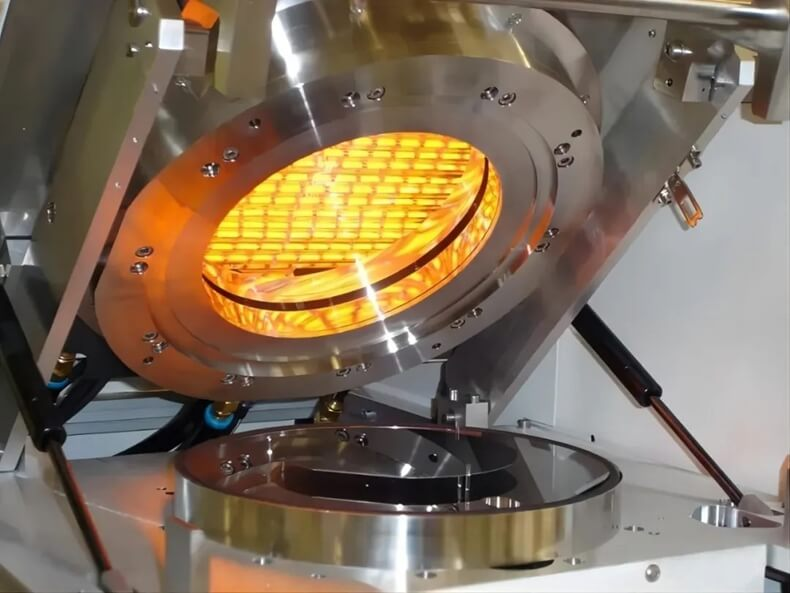
If you’re still relying on hot air circulation for semiconductor processing, you’re basically paying a “time tax.” Think about how forced air works. You have to heat up the entire chamber, then heat up the gas, and then finally wait for that heat to soak into the wafer. It’s slow. It’s tedious. Vacuum infrared (IR) heating just cuts out the middleman. Instead of waiting on the air, IR sends electromagnetic radiation straight into the substrate. It’s fast. Really fast. Since there’s no air in a vacuum to get in the way, we use short-wave or medium-wave IR lamps to get things moving. While a hot air system is still lumbering along, trying to stabilize, an IR array hits your target temperature in seconds. That changes everything for your throughput. Plus, you aren’t wasting kilowatts of power just to warm up the chamber walls. The energy goes exactly where it needs to go. But look, it’s not as simple as just swapping a part. You have to deal with the “shadow effect.” If your lamp housing is in the way, some edges of the part won’t get the heat they need. We usually fix this by using a multi-lamp setup or adding gold-coated shields to bounce that energy back onto the target. And a word of caution: these high-wattage lamps get incredibly hot at the ends. If you skimp on your cooling water loops or heat sinks, your connectors will burn out. It’s a quick way to kill your lamp life. At the end of the day, this is about moving from slow batch processing to a continuous flow. You’re trading a simple blower for something much more precise. If you’re trying to scale up your output, cutting those cycle times is the only way to go.