


Infrared vs. Hot Air: Getting Your Glovebox Heat Right
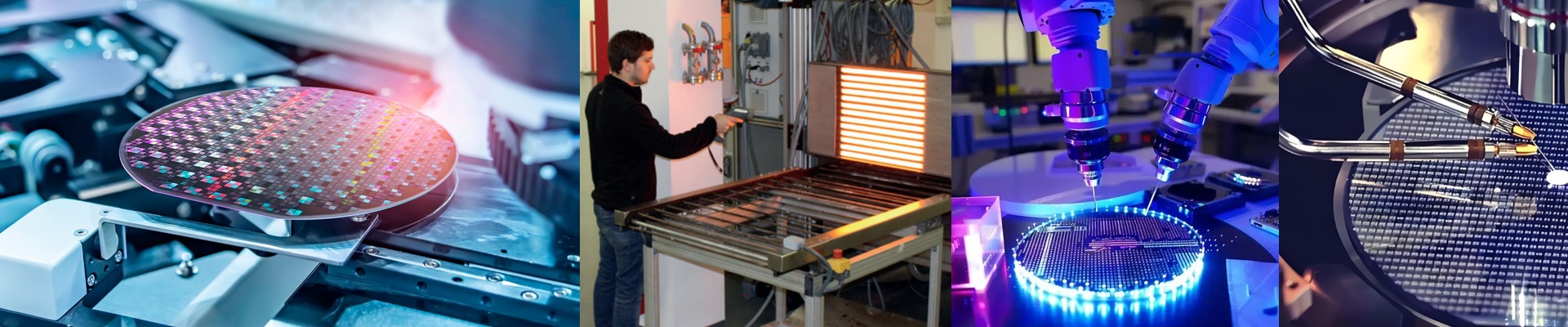
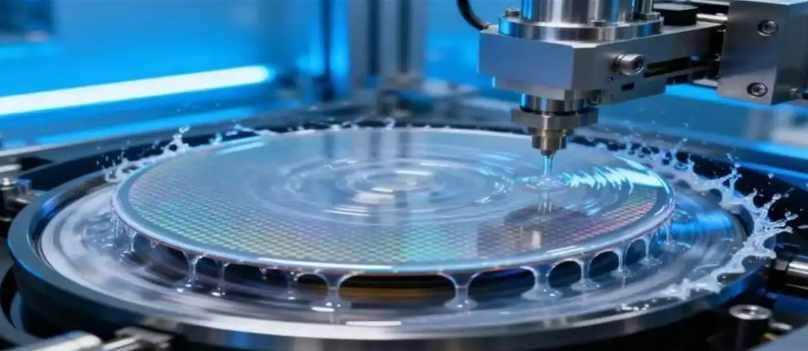
If you’re doing deep processing for semiconductors, you know the struggle with thermal control inside a glovebox. For years, the go-to move has been hot air circulation. You basically just blow heated air over your workpiece and hope for the best. It works. But man, it’s slow. You’re stuck waiting for the entire atmosphere inside the box to warm up before your part even gets close to the temperature you actually need. It’s a massive time sink that eats into your day. The shortcut: Radiative Transfer Infrared (IR) elements basically cut out the middleman. Instead of trying to warm up the air, IR lamps shoot electromagnetic radiation straight at the workpiece. Think of it like standing in the sun on a cold winter day. The air around you is freezing, but your skin feels hot because the light hits you directly. That’s what’s happening here. The energy hits the surface and turns into heat instantly. In a glovebox, this is a huge win. Your ramp-up time goes from minutes to seconds. No more waiting on a fan to push warm air around—you’re hitting the target with photons. If you’re running a high-throughput line, this is the fastest way to stop wasting time. The catch (because there’s always one) Switching to IR isn’t a magic wand. It packs a lot of heat into a small space. If you go too heavy with a high-wattage halogen or quartz element, you might end up with hot spots on your wafer or substrate. You have to be picky about the distance between the lamp and the part. Get it wrong, and you’ve got a problem. Then there’s the hardware. IR elements are small, which is great, but they need a solid controller to keep them from overshooting the mark. If your PID tuning is sloppy, you’ll either fry your workpiece or burn out the element. Why it’s worth the switch Lately, more shops are ditching the fans for IR. Why? Because moving air is a nightmare for contamination. When you stop blowing air around, you stop blowing particulates across your sensitive components. Everything stays cleaner. Plus, the turnaround is just faster. It’s a simple swap for your thermal stage that basically pays for itself by cutting your lead times down.