Stop Your Curing System From Turning Into a Giant Space Heater
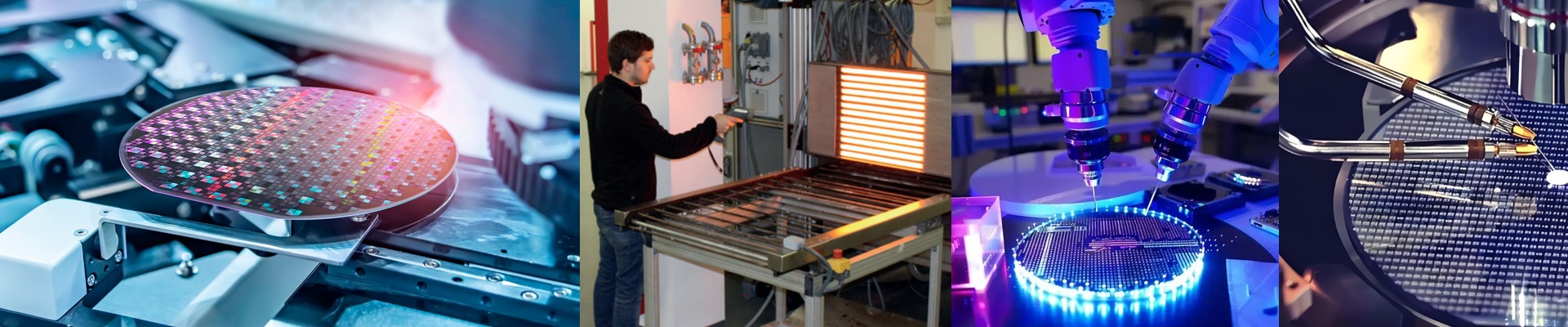
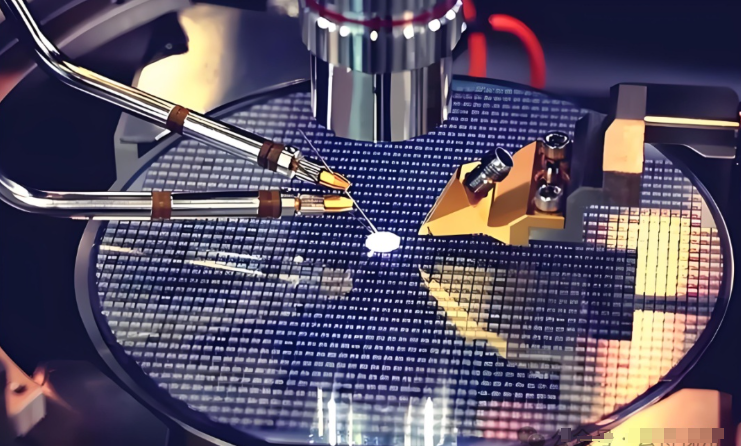
Here is the problem with infrared lamps: without a reflector, they act like radiators. They just throw heat in every single direction. If you’re the engineer in charge, that’s a nightmare. You put a high-wattage lamp in a curing chamber, and all that energy that misses the wafer ends up slamming into the inner walls of your machine. Suddenly, your expensive chassis is acting like a heat sink. Before you know it, the outer panels are hot enough to actually burn your operators. Not great. Getting the heat where it belongs The fix is pretty simple: pair that lamp with a precision reflector. Think of it as focusing a flashlight instead of using a bare bulb. It doesn’t just “bounce” the light; it herds all that radiant energy into a tight, concentrated beam. When you control the focal point, the heat stays on the wafer surface. This stops the “waste heat” from soaking into your hardware. Your thermal profile gets tighter, the walls stay cool, and your team can actually touch the machine frame without worrying about a trip to the first-aid kit. The catch (and how to handle it) Now, there’s a trade-off. Most of these reflectors use high-purity aluminum or gold coatings to get the best results with shortwave IR. They work incredibly well, but they’re picky. If dust or chemical gunk builds up on the surface, your efficiency tanks. You’ll notice the ambient temperature in the chamber creeping up because the reflector is starting to absorb the heat instead of pushing it away. Keep them clean. One more thing: watch your cooling fans. Since you’re shoving more energy into a smaller area, the wafer can overheat if your conveyor speed is off. Keep a close eye on your dwell time. Direct the heat, sure—but make sure you’re managing the load.