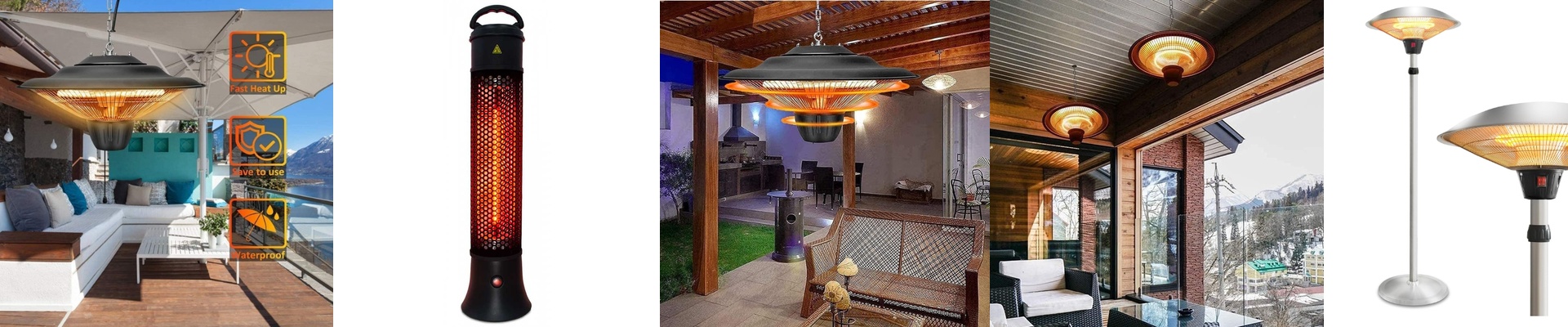
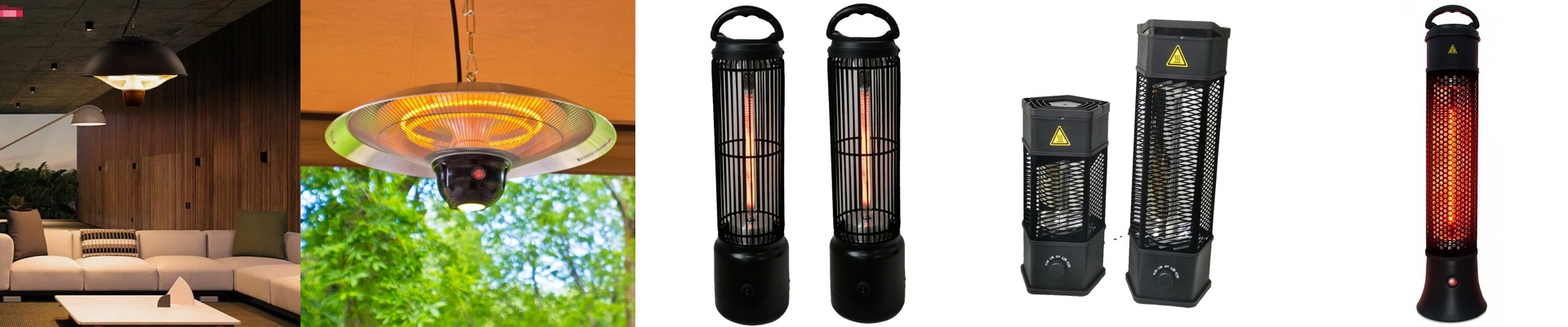

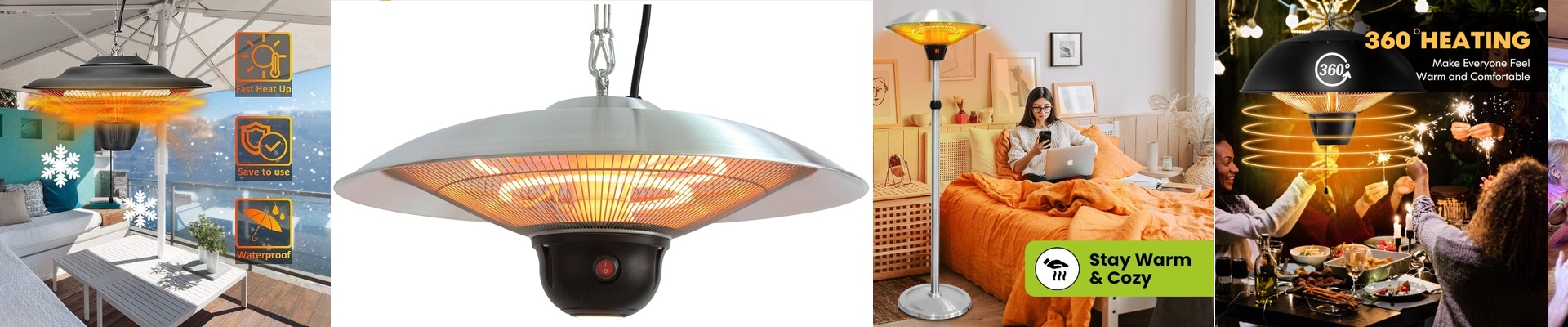

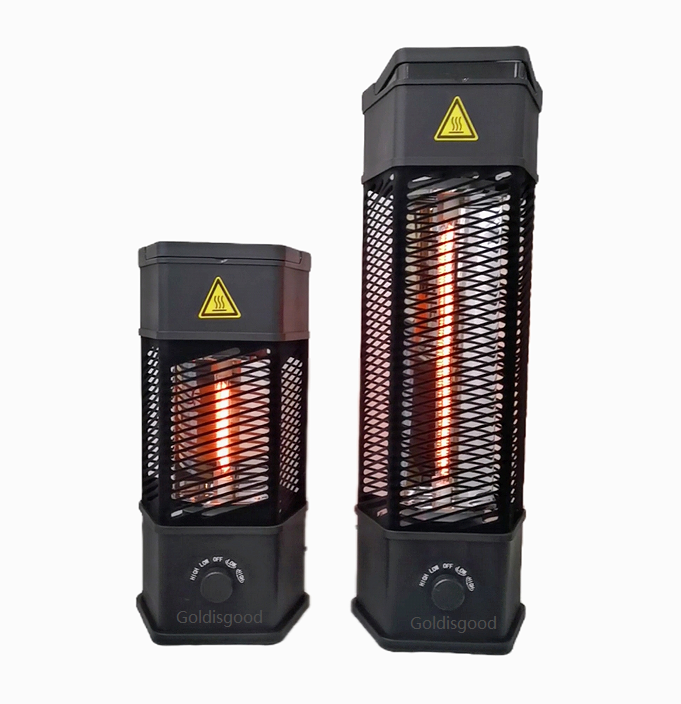
Why we’re swapping out old bathroom heat lamps for IP-rated infrared
Ever notice how those old-school bathroom heat lamps always seem to burn out right when you actually need them? It’s usually because they just aren’t built for the steam. They’re basically lightbulbs trying to do a job they weren’t made for, and in a humid bathroom, moisture gets in and kills them. That’s why we’ve been leaning toward high-waterproof (IP-rated) infrared heaters lately. It’s not about making the bathroom look fancy—it’s about gear that actually survives the splashes and the steam. The difference in how you feel the heat Most heaters try to warm up the air. But in a bathroom, that warm air just floats away through the vent or under the door. You’re left shivering while the ceiling gets warm. Infrared is different. It doesn’t bother with the air; it goes straight for your skin. The second you flip the switch, you feel it. We use quartz tubes that hit their peak temp almost instantly. It’s like stepping into a patch of sunlight on a cold day. Keeping the electricity dry Here is the scary part about cheap heaters: they often have tiny gaps. Steam sneaks in, hits the electrical terminals, and—boom—you’ve got a short circuit or a dead filament. The high-end waterproof units fix this with sealed gaskets and alloys that don’t rust. It keeps the moisture out of the guts of the machine. When you’re wiring these in, that IP rating is your insurance policy that condensation won’t bridge the gap between a live wire and the frame. A few things to watch out for during install These things pack a lot of heat into a tiny box, which is great, but there’s a catch. You can’t just rip out an old lamp and pop one of these in without checking your power. High-output heaters pull a lot of current. If your house has old wiring, you’ll probably trip the breaker the moment you turn it on. Definitely check your amperage before you start drilling holes. Also, don’t mount them too low. You want a wide spread of warmth, not a heat lamp pointed directly at your head. Get the height right, and it’s a simple, industrial fix that makes a morning shower feel a lot less brutal.