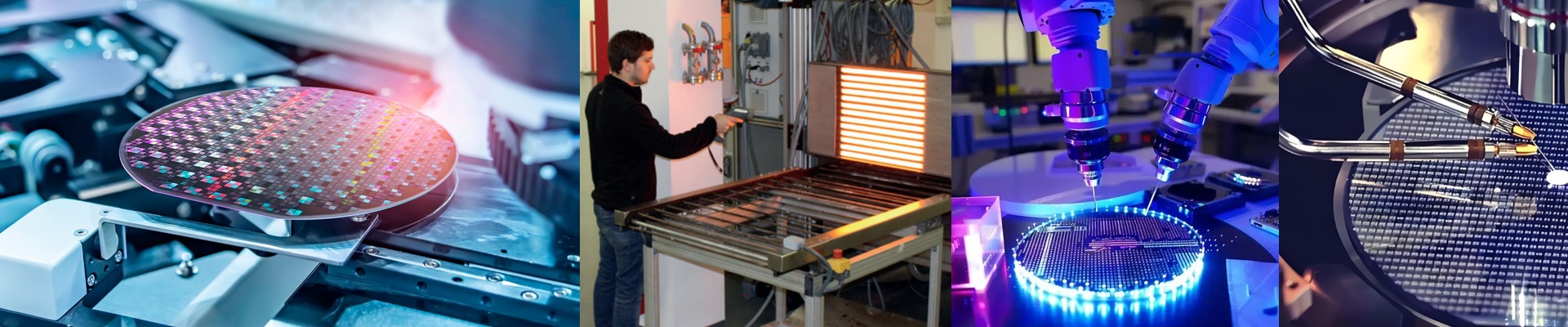
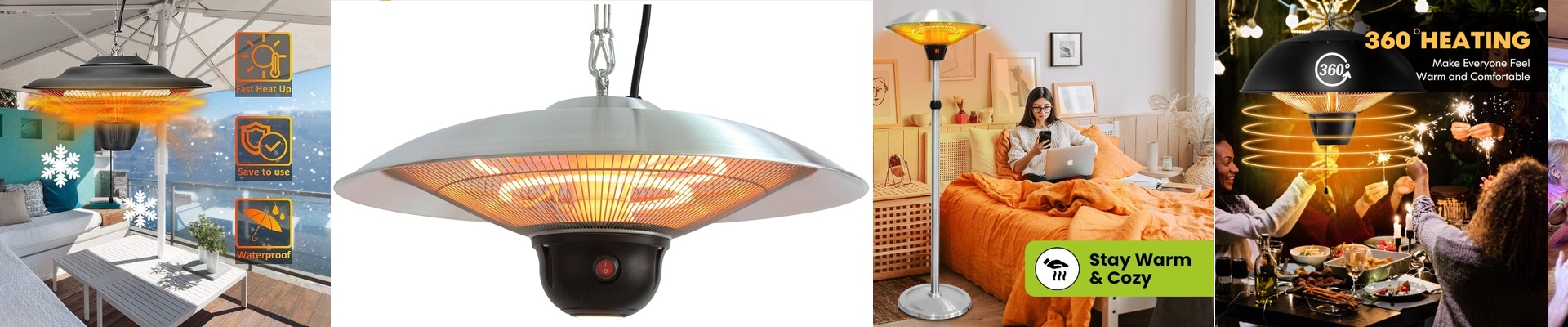
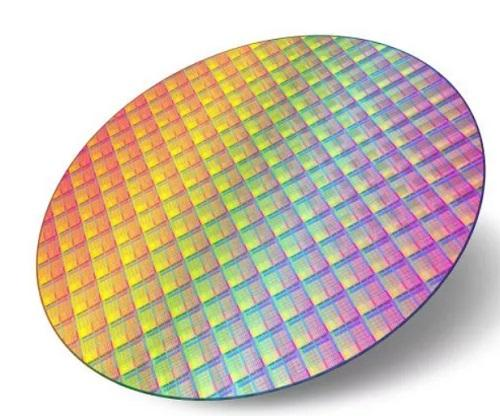
Out on the line, the whole post-clean rinse is only as good as the drying step that follows. If thermal control is sloppy, you’ll see water marks, surface tension gradients, and micro-contamination show up. We built our wafer drying lamp module to kill that variability after cleaning, so the wafer hits lithography with a stable, dry surface and a predictable thermal history. What actually matters under the hood The module pairs short-wave and medium-wave infrared sources in a quartz-enhanced lamp package, tuned for fast, surface-selective heating. We hold target temperature repeatability within ±0.1°C across the wafer, and spatial uniformity lives in the same tolerance window. The build is cleanroom-compatible down to Class 1, with low outgassing materials and a particle-controlled airflow path that keeps particle generation at zero during steady-state operation. Power density is calibrated to strip the rinse film quickly without blowing past the photoresist thermal budget. Why this fits the flow After cleaning, you need a dry, uncontaminated wafer before the photoresist spin and bake. This lamp dries in seconds, so cycle time drops without pushing the wafer into thermal stress. Soft bake and hard bake profiles stay stable because the incoming surface is consistent—no hidden water to throw off solvent evaporation. Process repeatability improves, and unplanned downtime falls because the module is engineered for 24/7 duty, with stable output over 5,000+ hours. The field notes you’ll thank yourself for later Installation needs exact alignment to the process chamber exhaust and verified voltage stability at the lamp terminals. Output intensity is sensitive to fixture positioning, so set the standoff once, document it, and lock it down. The lamp performs best when cleanroom humidity is held within the process envelope; step outside that range and drying time starts to drift. Plan for routine intensity calibration to keep the ±0.1°C repeatability that keeps your drying step in spec.