
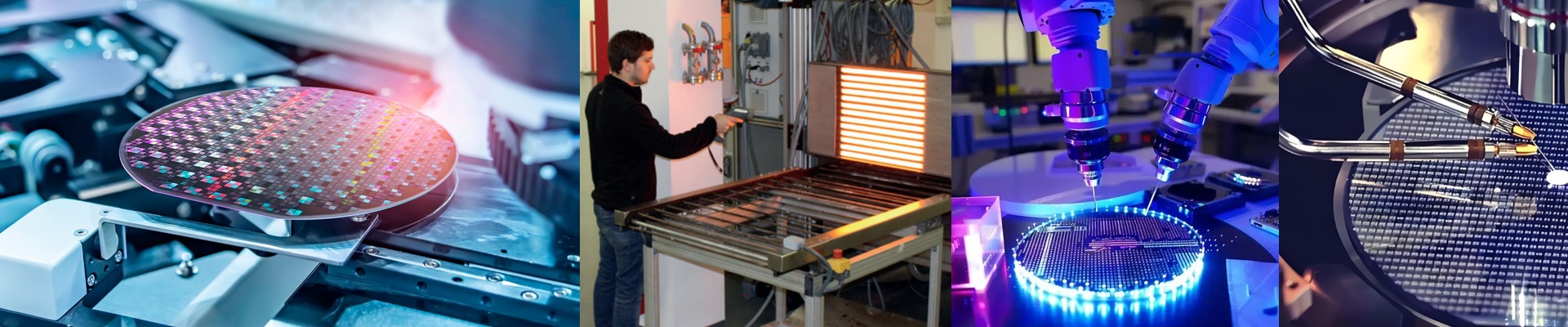
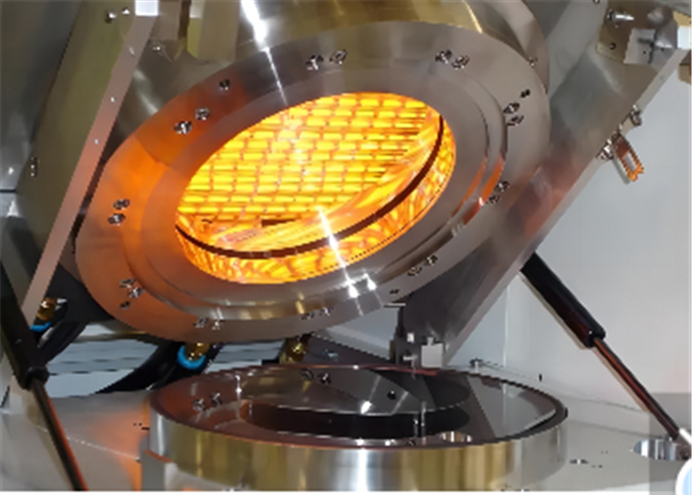
On the fab floor, temperature drift during wafer drying or photoresist bake isn’t just a blip on the SPC chart. It’s lost yield, plain and simple. We built our high-temperature thermal tape solution around short-wave infrared (NIR) heating, because it delivers stable, fast heat into the substrate without touching it. What matters under the hood NIR energy punches through the wafer and tape stack quickly, so you hit setpoint fast—and stay there. We’re talking ±0.1°C uniformity across the wafer, which directly keeps critical dimensions tight after exposure. The system handles both soft bake and hard bake with strict thermal budget control, so photoresist reflow variability drops off. It’s cleanroom-ready for Class 1–100, with low-particle materials and a design that keeps outgassing low. The heaters run day in, day out at high temperature, and the performance holds up cycle after cycle—thousands of them. Why it fits the process You need drying after clean steps and baking after spin-coating to be repeatable, every single time. NIR gives you heat on demand, so soak time shrinks and energy use drops without giving up uniformity. That means tighter CD control, fewer rework lots, and throughput you can count on. The tape interface stays stable across multiple passes, so thermal contact stays consistent from lot to lot. What to watch for NIR is line-of-sight and doesn’t like gaps. The tape has to maintain even thickness and adhesion across the wafer; otherwise you’ll see local hot spots. Plan for controlled airflow and shielding to keep stray reflections out of the picture. We provide application notes for tape selection and clamping, and I’d recommend running a short qualification to map temperature across the zone before you move to full transfer.