


Introduction
When we build industrial heating lamps for sustainable fab manufacturing, we don’t get fancy about what matters. Reliability isn’t a slogan here—it’s the bare minimum. Before a lamp leaves our floor, it goes through 100% dielectric strength and insulation resistance testing. No skipping. No “good enough.” It’s a real, hard gate. Because your equipment, your process, and the people running it deserve that kind of protection.
Power, Voltage, and Size: Keeping It Predictable
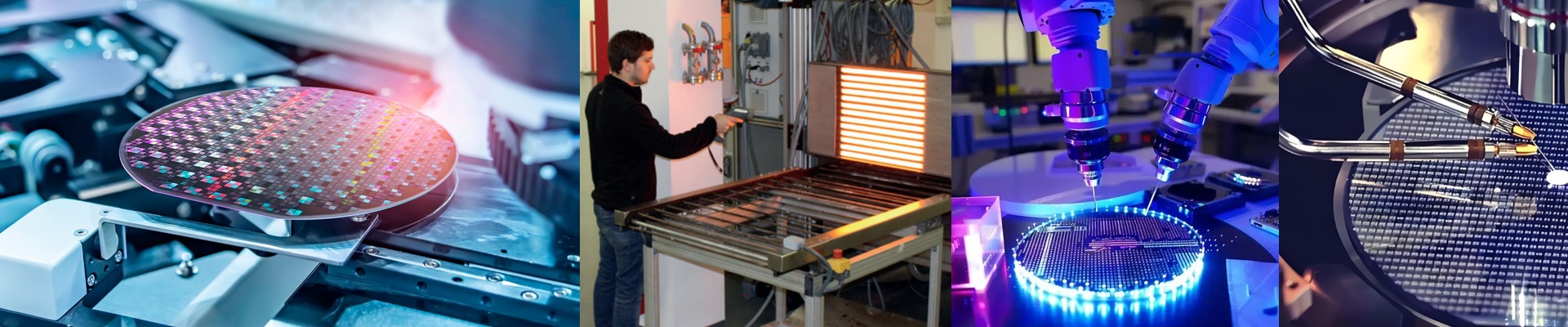
We design these lamps to be predictable—thermally and electrically. You match the voltage to your control gear (400V, 230V, or something custom), then you pick the wattage and size to fit the job. Even a compact 300mm tube can run high wattage, so you get dense, focused heat without taking up a lot of space. That means you can rethink heat zones without tearing up the whole machine layout. Here’s the trade-off you can plan for: more wattage means faster ramp-up, but it also means more heat load on the fixture and what’s around it. So you just plan your cooling and spacing accordingly.
What’s Inside: Halogen, Quartz, and Connectors That Earn Their Keep
We use halogen technology inside a quartz envelope because it handles rapid temperature swings without complaining, and it keeps output steady over time. That internal halogen cycle helps keep the filament stable, which means less light fall-off and heating performance you can count on, day after day. Then there are the connectors. We lean on industrial-duty options like R7s and SK15 because they’re built for real conditions—solid contact, a grip that holds, and a mechanical fit that survives vibration and thermal cycling. That’s how you get a lamp that’s truly a drop-in replacement, with fewer headaches out in the field.
Why This Matters on the Floor: Less Risk, More Uptime
In sustainable fab manufacturing, downtime isn’t just inconvenient—it’s expensive. One dielectric failure can trip protection, stop the line, and send everyone scrambling for a root cause. Our 100% testing is there to catch weak insulation and sneaky leakage paths before they ever reach you. The payoff is simple: smoother start-ups, fewer service calls, and less scrap from heating that acts moody. It’s how we keep your high-end equipment running the way it should—steady, and without surprises.