Stop Waiting on Hot Air: Why Infrared is the Way to Go
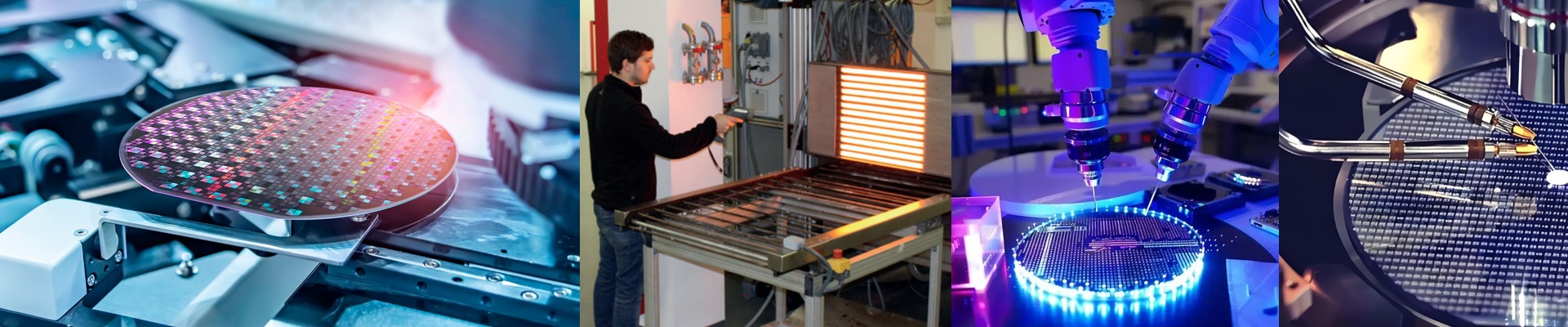
A lot of semiconductor lines are still stuck using hot air circulation. It’s common, especially in older setups, but honestly? It’s a slog. When you rely on forced air, you’re fighting physics. You have to heat up every single cubic inch of air in the chamber before your workpiece even starts to feel it. It’s slow. It’s tedious. And in a production environment, that waiting around is just wasted money.
Cutting Out the Middleman
Infrared (IR) heating does things differently. Instead of heating the air, it sends energy straight to the substrate via electromagnetic radiation. No waiting, no “warming up the room.” We build our heater housings out of stainless steel specifically to focus that energy. By using precision-fabbed reflectors, we can bounce those IR waves right onto the target. The result? Your ramp-up is almost instant. We’re talking about cutting your heating cycles by 40% to 70% compared to those old convection ovens. When you’re running a high-volume fab, that’s a massive jump in how many wafers you can push through every hour.
The Hardware Side of Things
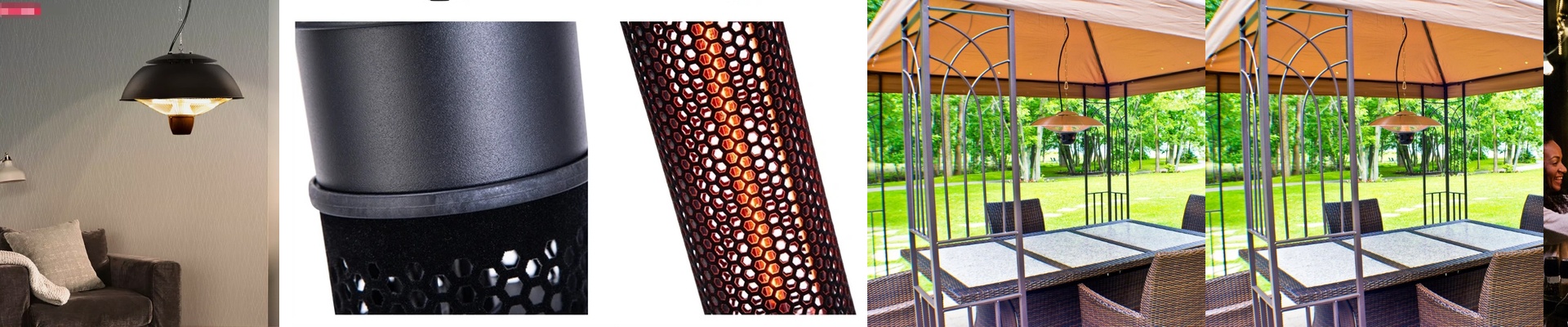
We don’t just throw these in a random box. We use high-grade stainless steel because it doesn’t warp or oxidize when things get hot. Think of the housing as a thermal shield. It keeps the heat where it belongs and stops that radiant drift from messing with your nearby electronics. Plus, you get your floor space back. IR systems are way sleeker than those bulky air-ducting monstrosities. But here’s the catch: IR is directional. If your part has weird shapes or deep pockets, you might run into “cold spots” where the light just can’t reach. That’s why we spend a lot of time figuring out the exact lamp placement—you want that heat hitting every corner evenly.
Making the Switch
Moving to IR is usually a pretty straightforward swap for your heating stage. You rip out the blowers and the ducting, wire in the controllers, and mount the housings. Once you make the jump, you stop worrying about airflow and CFM. Instead, you start looking at wattage density and wavelength matching. That last part is key. If the wavelength doesn’t match the material, the heat just bounces off. Get it right, and the whole process just flows.