Keeping Wet Areas Warm Without the Headache
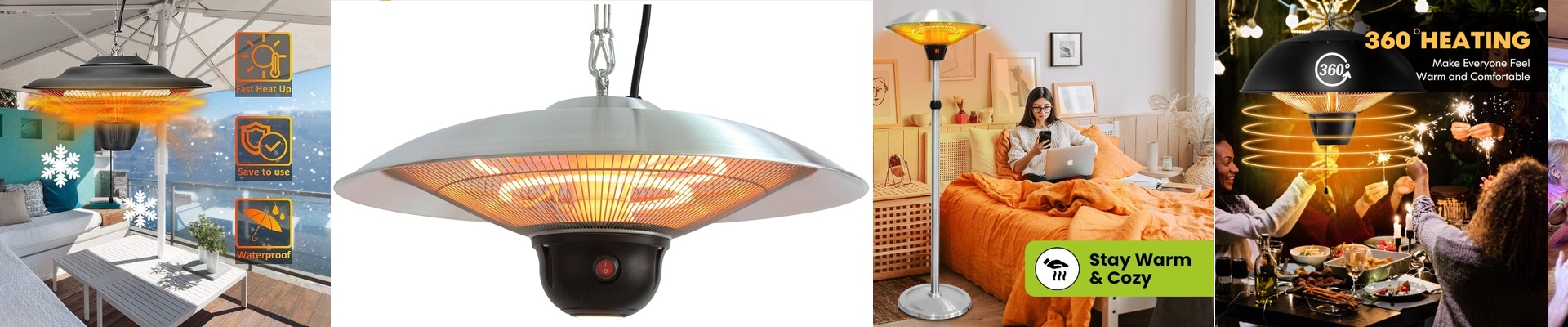
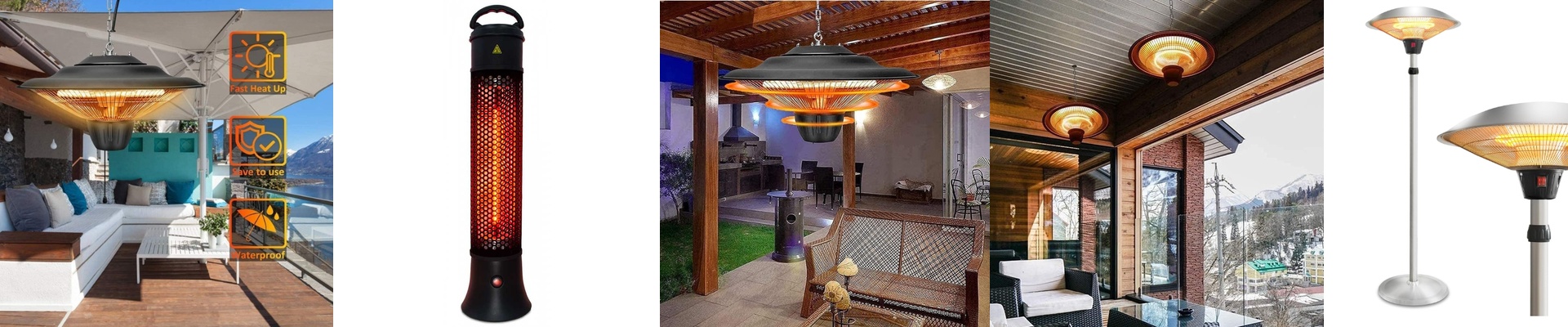
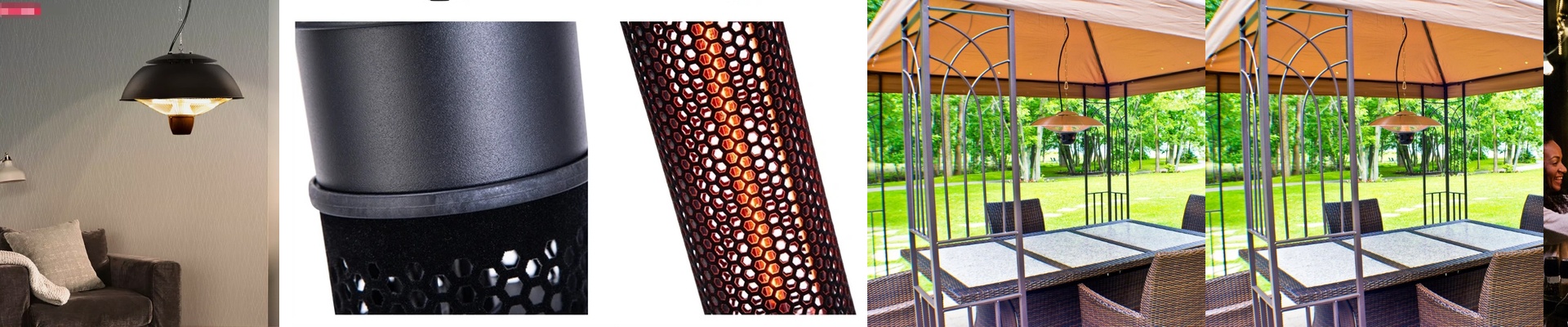
Ever stepped into a locker room or a changing area and felt that immediate, bone-chilling dampness? It’s the worst. You need heat, and you need it right now. But you’ve also got water splashing everywhere and humidity that can make most electronics give up the ghost. That’s where our IP65 shortwave infrared (SWIR) heaters come in. Here is the secret: we aren’t trying to warm up the air. Trying to heat the air in a wet room is like trying to fill a bucket with a hole in the bottom. Instead, these heaters send energy straight to the person. You feel the warmth on your skin the second you step under it. No waiting around. No shivering. The “Instant” Factor We use shortwave emitters because they work on a higher frequency. In plain English? They cut through the dampness. While a old-school radiator spends an hour trying to warm up the room, these kick in immediately. It’s a total shift in how a space feels. Dealing with the Water Let’s be real: water and electricity are a dangerous mix. To make these “IP65-rated,” we basically build a fortress around the guts of the machine. We use heavy-duty gaskets and reinforced housings to make sure dust and water jets stay on the outside. Inside, we use coated quartz tubes to keep things durable and heavy-duty wiring to handle the initial power surge when you flip the switch. If you’re installing these into a commercial grid, just double-check that your breakers can handle the inductive load. It’ll save you a lot of trouble later. Getting the Placement Right These units pack a serious punch in a small package, but you have to be smart about where they go. If you mount them too low, it’s like standing too close to a campfire—it’s too aggressive. Too high, and you lose that “instant” cozy feeling. It’s all about finding that sweet spot between the wattage and the height so nobody ends up with a hot spot. Also, don’t forget to leave some breathing room in the ceiling. If you tuck the housing into a tight, enclosed void without ventilation, it’s going to overheat. Give it some air, and it’ll run happy for years.