

Stop Heating Your Walls: A Better Way to Make Hydrogen Sensors
If you’ve ever worked with hydrogen sensor fabrication, you know the struggle with heat. Most standard heating elements are basically just big radiators—they throw energy everywhere. The problem? Your expensive semiconductor gear ends up acting like a giant space heater. You’re wasting power, the machine chassis is under constant thermal stress, and your operators are one wrong move away from a nasty burn. It’s messy and inefficient.
The Trick to Directional Heat
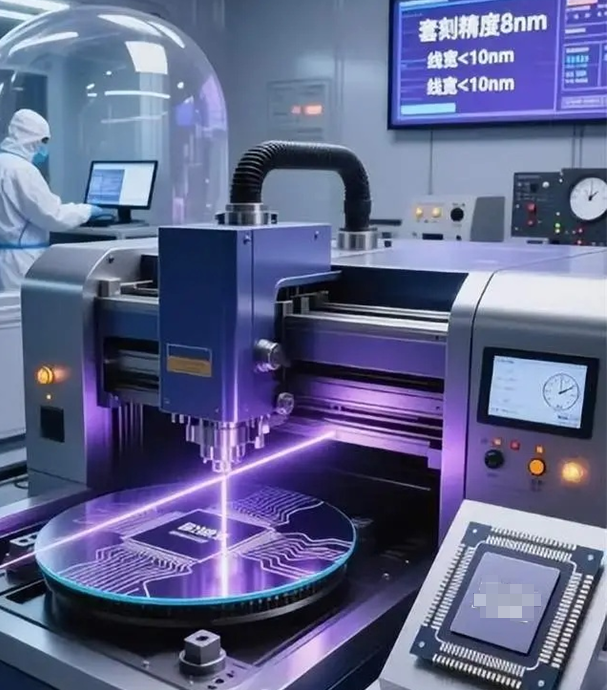
We found a way to fix that “hot wall” headache by switching to directional infrared (IR) lamps. Think of it like the difference between a lightbulb and a laser. Instead of letting heat bleed out in every direction, these lamps push the energy into a tight, focused beam. The heat goes exactly where it needs to—straight onto the sensor substrate. You stop fighting the air and the metal casing. You just heat the part.
The Trade-off (Because Nothing is Perfect)
Now, there is a catch. Because the heat is so concentrated, it hits the target hard and fast. That’s great for speed, but it means you have to be careful. If your distance is off or your timing is sloppy, you can scorch the substrate in a heartbeat. You’ll want to make sure your PID controllers are dialed in to handle those quick temperature spikes. It takes a bit more precision, but the payoff is worth it.
A Happier Shop Floor
The best part isn’t even the technical side—it’s how the shop feels. When you stop heating the entire cabinet, the exterior of the machine stays cool. No more “burning touch” scares for the team. Plus, your electronics aren’t baking in a sauna anymore, so they actually last longer. Here is a quick tip: go over to your equipment and touch the walls. If they’re hot, you’re literally throwing money and energy into the room. Switching to a directional IR setup keeps the heat on the sensor and the machine cool enough to touch. Simple as that.