Why we basically torture our bathroom heaters before they reach you
Let’s be honest: bathrooms are a nightmare for electronics. You’ve got thick steam, wild temperature swings, and the occasional splash of water. It’s a recipe for a short circuit. Now, you might see “IP55” on the box and think, Okay, it’s waterproof. But we don’t just take the rating at face value. We don’t trust a seal just because a manual says it should work. We push the hardware until it wants to quit.
The “Steam Room” Test
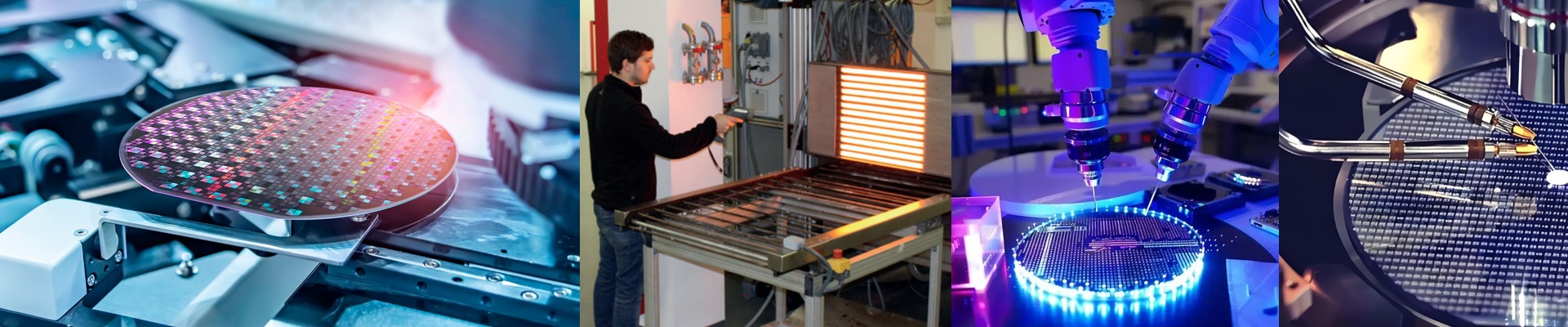
We put our infrared lamps into these high-humidity chambers that are essentially torture devices. It’s not just for show. We’re cramming years of bathroom steam into a few weeks. Why? Because if a seal is even slightly off or a coating has a tiny pore, moisture finds it. It creeps into the electrical terminals, causes oxidation, and then—pop—the heater dies. By swinging the heaters between blistering heat and saturated humidity, we find the breaking point while the unit is still on our floor, not yours.
The Fight Against “The Shrink”
The magic of these heaters is the short-wave infrared tech. It gives you that instant, cozy warmth the second you flip the switch. But there’s a catch: physics. When the lamp hits peak heat, the housing expands. When it cools down, it shrinks. Do that a thousand times and a cheap seal will just give up. We use specific gaskets and enclosures that can handle that constant “breathing” without letting a single drop of water inside.
Finding the Sweet Spot
Here’s the tricky part: heat density. High-wattage lamps warm a room fast, which is great. But that same heat can be brutal on the waterproof seals. If you get too hot, some plastics get brittle and rubber gaskets start to degrade. It’s a balancing act. We spend a lot of time tweaking the heat-sink designs to keep the housing at a temperature that doesn’t eat away at the seals. If you just crank up the power without a plan for ventilation, you’re basically killing your heater’s lifespan. We test until we find that exact limit—where you get all the warmth, but the hardware actually lasts.