How to Actually Keep a Pergola Warm (Without Wasting Energy)
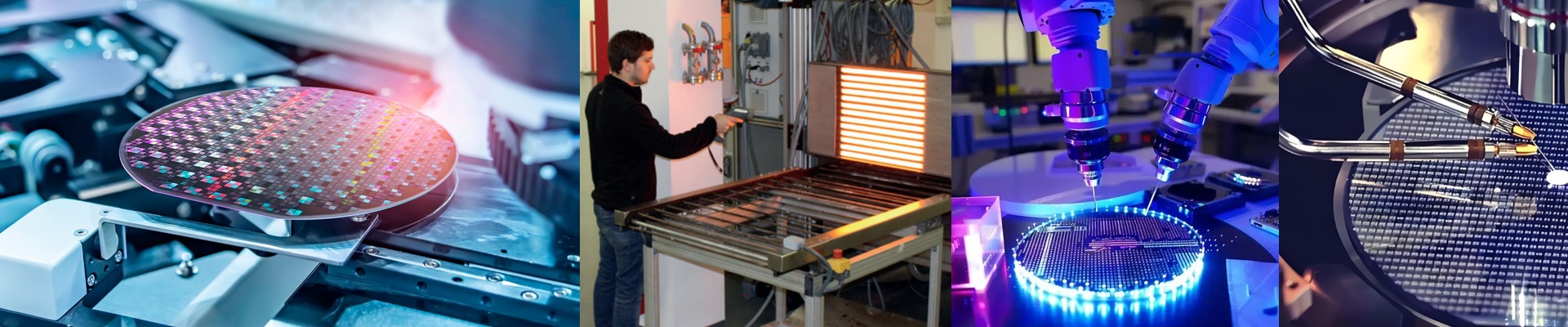
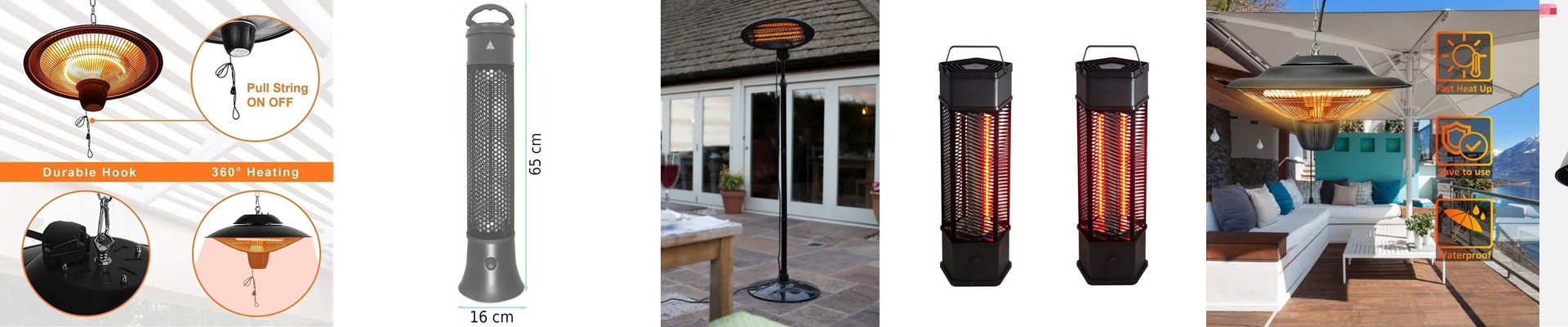
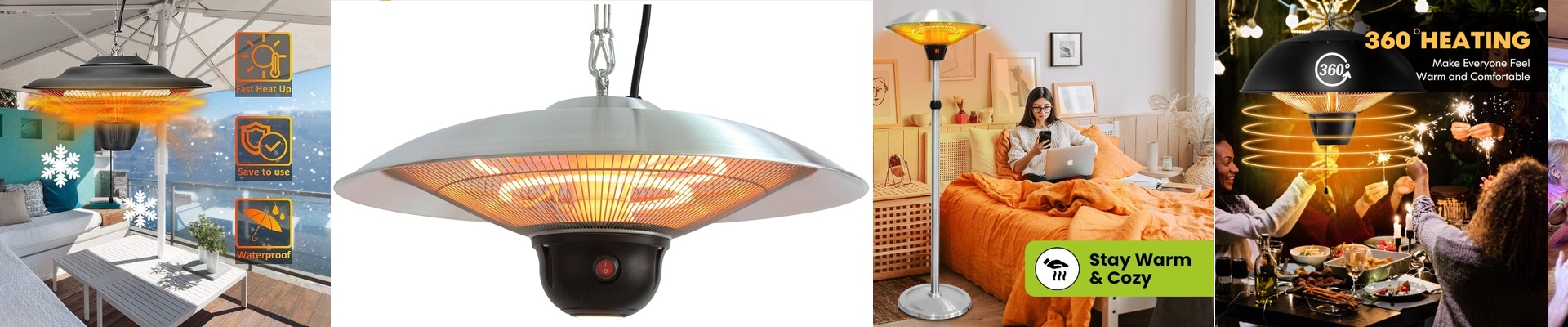
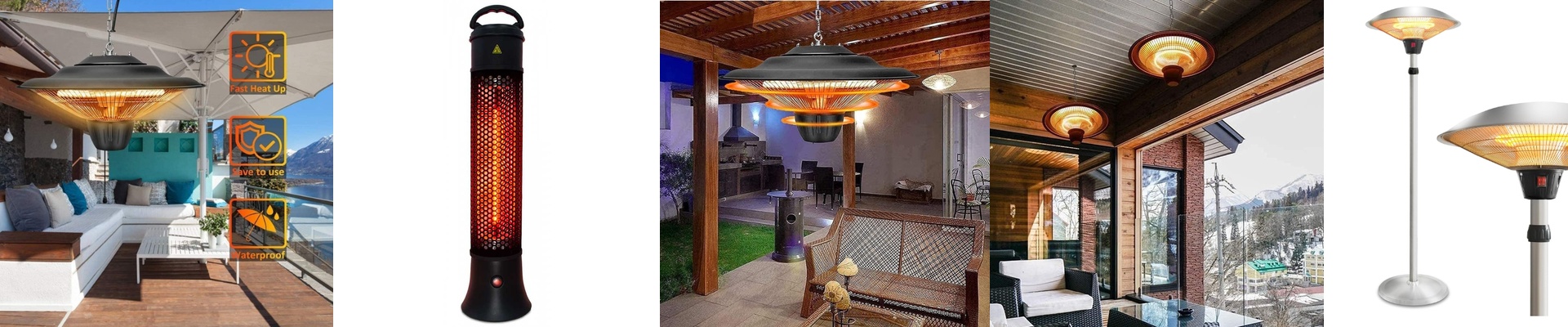
Trying to heat a pergola or an outdoor changing area is a bit of a nightmare if you’re using a standard heater. You know the type—the ones that try to warm up the air. The problem? The wind just carries that warmth away before you even feel it. It’s a waste of electricity and you’re still shivering. The trick is to stop trying to heat the air and start heating the people. That’s where shortwave infrared comes in. Instead of warming the breeze, it sends heat directly to your skin. It’s almost instant. You step under it, and suddenly you’re warm. No waiting around for the “room” to heat up.
Why this works (The simple version)
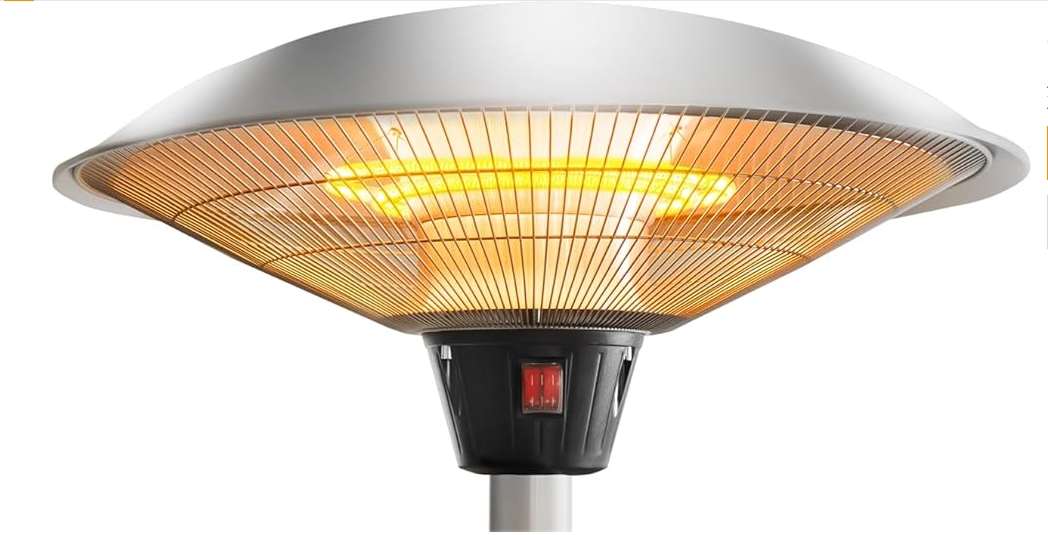
Shortwave emitters run hotter than the longwave kind. Because of that, they can throw heat further and faster. Think of it like a spotlight, but for warmth. We focus on “heat density,” which is just a fancy way of saying we make sure the warmth actually hits you. And since the heat travels in a straight line, a gust of wind doesn’t matter. You stay warm regardless of the weather.
Dealing with the elements
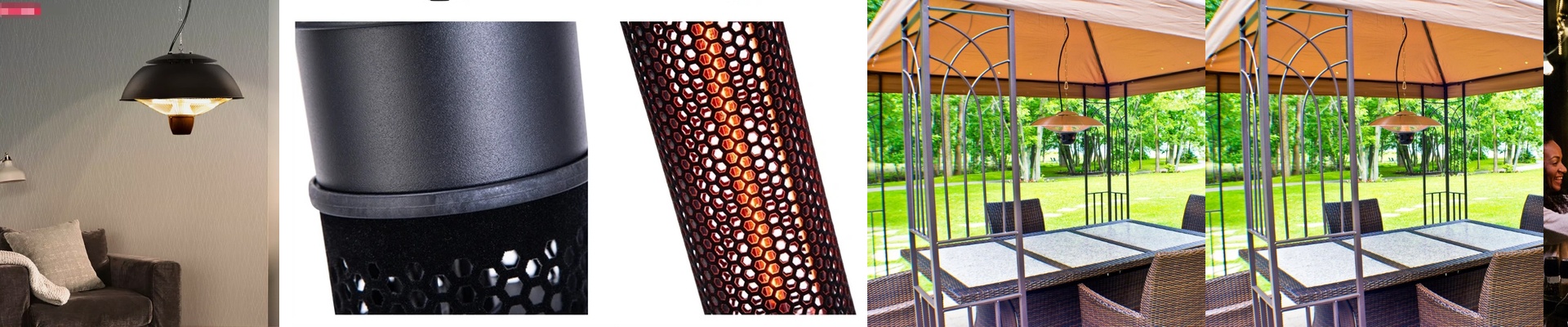
Outdoor gear takes a beating. Rain, humidity, salt air—it all wants to ruin your electronics. To stop that from happening, we seal every electrical connection tight and use high-grade quartz glass to keep moisture out. If you don’t get the housing right, you’re just asking for a short circuit. We also use special coatings—usually gold or aluminum—on the emitters. These act like mirrors, bouncing the heat downward toward the floor. Without them, your pergola ceiling would soak up all the energy, and your feet would still be freezing.
A few things to watch out for
Here is the catch: these units pull a lot of power. You can’t just plug these into a cheap extension cord and hope for the best. You’ll need a dedicated circuit and wiring that can handle the load without dipping in voltage. Also, don’t go overboard with the wattage in a tiny space, or you might actually overheat the mounting brackets. I usually suggest spacing the units out based on the “throw” of the lamp. That way, you don’t end up with one spot that feels like a sauna and another where you’re still wearing a coat.