


Why We’re Moving to Infrared Curing in the Clean Room
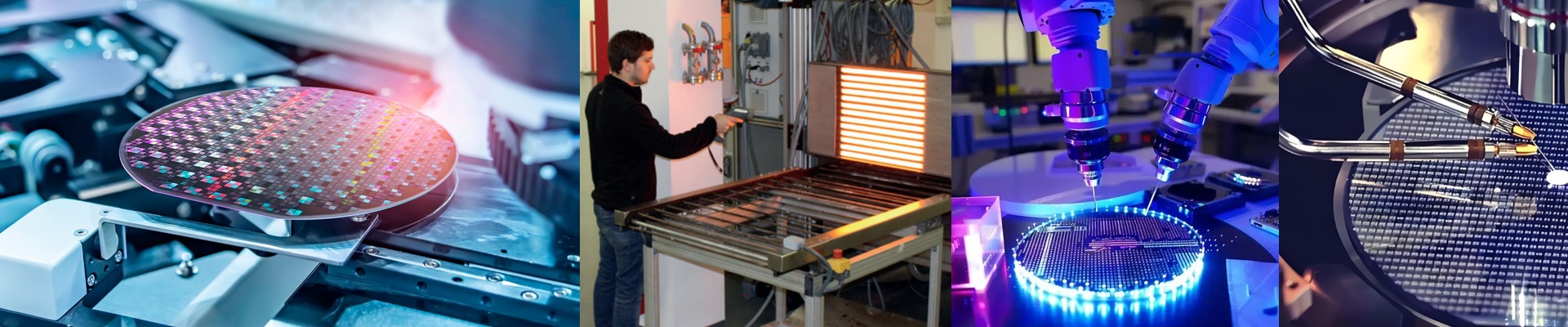
Let’s be honest: traditional convection ovens are a pain. They work by heating up the air, which is basically like trying to warm up a room with a giant hair dryer. It wastes a ton of energy, and worse, it kicks up particulates that can ruin your wafers. Not exactly what you want in a clean room. That’s why we’ve shifted to infrared (IR) heaters. Instead of messing with the air, we send electromagnetic radiation straight into the substrate. It’s direct. It’s clean. And it just works.
The logic behind the heat
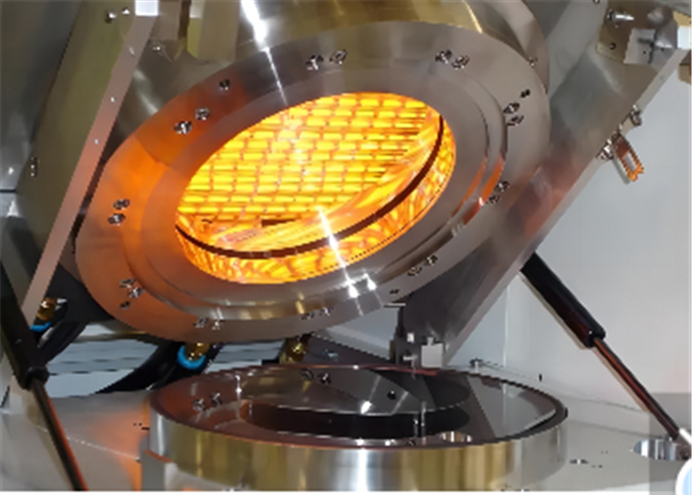
The best part about IR curing is that it doesn’t need a “middleman.” The energy goes right to the material. Because of that, you can ditch those massive blowers and the endless air filtration systems that always seem to leak or break down right when you’re on a deadline. Plus, since the heat is targeted, you aren’t baking the entire room. Your HVAC system can actually take a break, which saves a decent chunk of change on the power bill. We mostly stick with short-wave and medium-wave IR. Short-wave lamps hit the surface almost instantly. It’s great for curing lead-free solder pastes and photoresists quickly without soaking the whole board in unnecessary heat.
Dealing with lead-free standards
Switching to lead-free alloys isn’t as simple as swapping one paste for another. These materials have higher melting points than the old SnPb stuff. If you aren’t careful, you’ll either under-cure the joint or completely scorch the PCB. IR heaters let us dial in the exact wavelength the chemistry needs. Just a clean, electrical process. No combustion by-products, no weird fumes—just a steady, precise heat.
The catch (because there’s always one)
Now, IR isn’t a magic wand. You have to watch out for “shadowing.” If your components are packed too tightly, the IR rays can’t reach the gaps under the taller chips. It’s like a solar eclipse on a microscopic scale. If you just slap a lamp on top and call it a day, you’ll end up with cold spots and joints that fail. The trick is in the setup. You have to be smart about lamp positioning or use a multi-angle array to make sure every inch of the wafer gets hit. It takes a bit more planning upfront, but it beats throwing away a batch of ruined boards.