Stop Letting Your Patio Go to Waste in the Winter
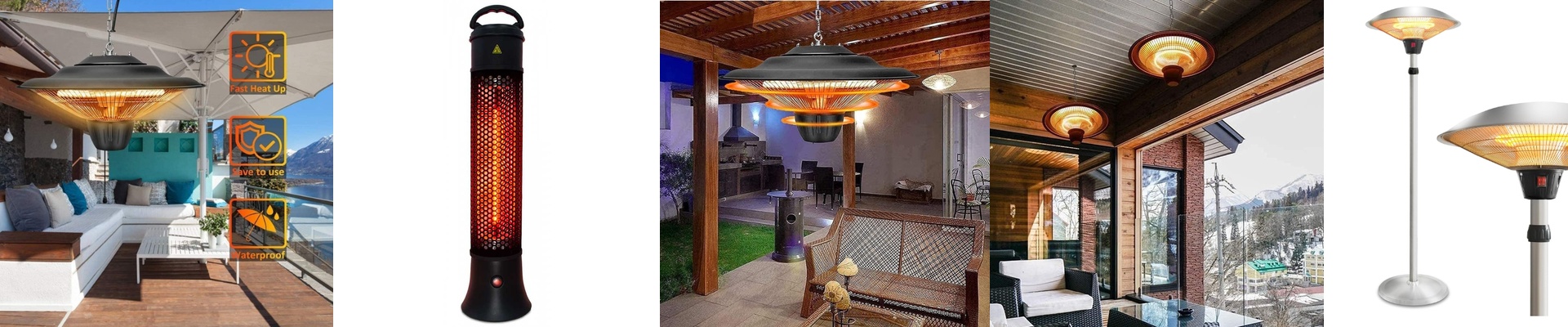
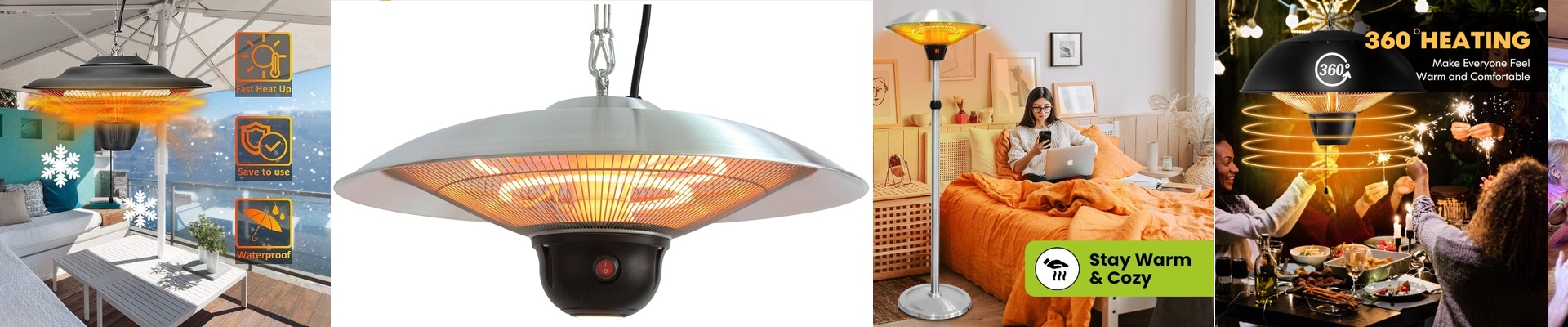
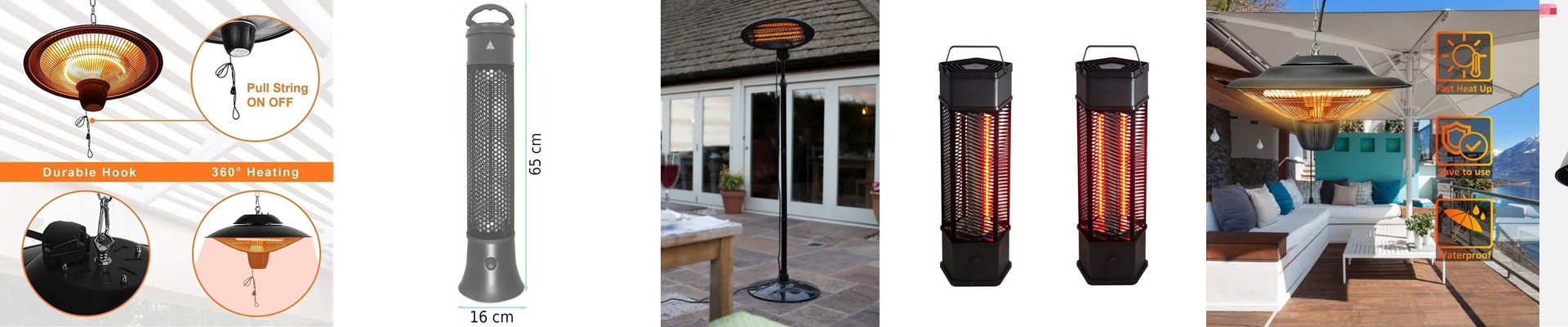
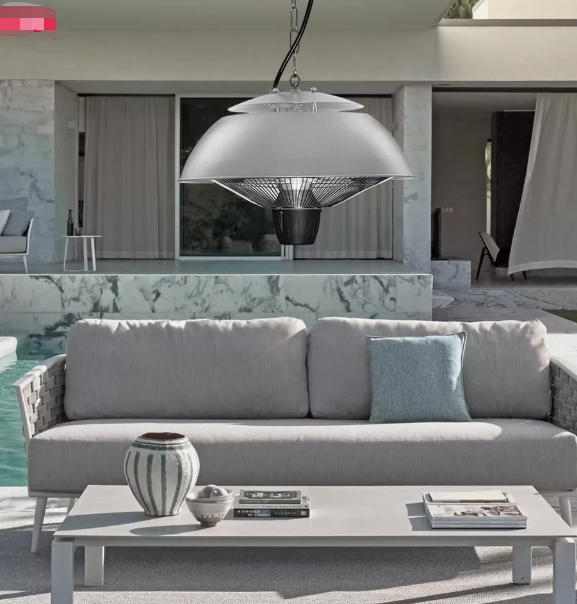
Let’s be honest: outdoor seating is a total waste of space once the temperature drops. Unless you have a way to keep people warm, those tables just sit there gathering dust while you lose money. That’s where IP65-rated infrared heaters come in. They basically turn a freezing patio into a spot people actually want to sit in. The best part? They don’t try to heat the air—which is pointless because the wind just blows it away. Instead, they beam heat directly onto your guests. It feels more like sitting in the sun.
Dealing with the Elements
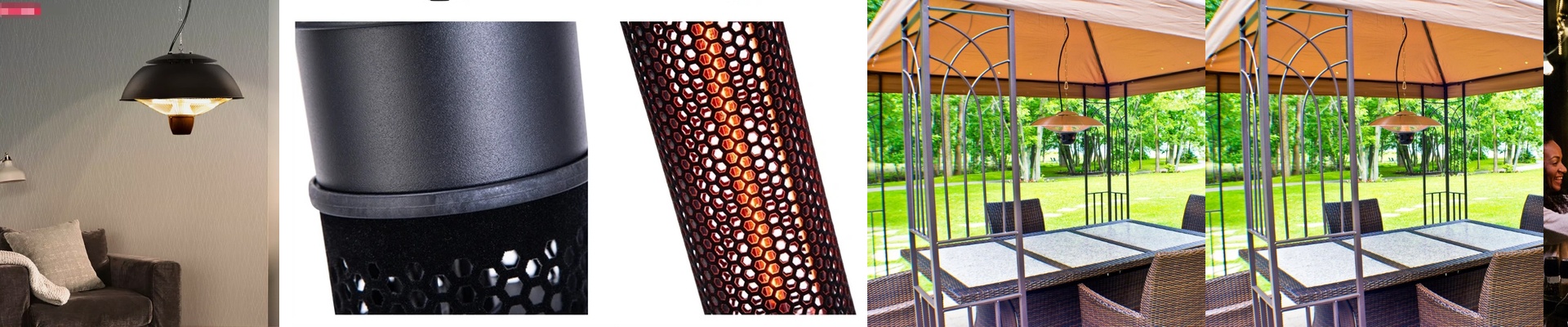
The outdoors are brutal on electronics. Rain, dust, and grime love to find their way into a heater and fry the circuit board. When we talk about an “IP65 rating,” we’re really just saying the thing is built like a tank. It’s dust-tight and can handle a decent spray of water from any angle. You can mount them under your eaves or in semi-exposed spots without worrying that a random rainstorm is going to kill your investment. We usually go with short-wave infrared lamps. Why? Because they punch through the cold and hit the skin faster. Your guests feel the warmth the second they sit down, rather than waiting ten minutes for the area to “warm up.”
More Comfort, More Cash
It’s simple. If a customer is shivering, they’re going to rush through their meal and leave. Or worse, they’ll see the patio and decide to eat somewhere else entirely. When you create these little “heat zones,” people actually linger. They relax. And when people relax, they order that extra round of drinks or an appetizer they weren’t planning on. It’s a great way to keep your tables turning during those awkward shoulder seasons. You aren’t just buying heaters; you’re getting your outdoor square footage back.
A Quick Warning on Power
Here is the catch: these things pull a lot of power. You can’t just plug a bunch of high-wattage heaters into a standard wall outlet and hope for the best. If your wiring is too thin, you’re going to trip a breaker the moment the patio fills up. That’s a nightmare scenario. Check your electrical panel first. We always suggest running dedicated circuits for each heating zone. It’s a bit more work upfront, but it means you won’t have the whole system crash right when you’re at peak capacity.