

Keeping Your Class 100 Cleanroom Actually Clean
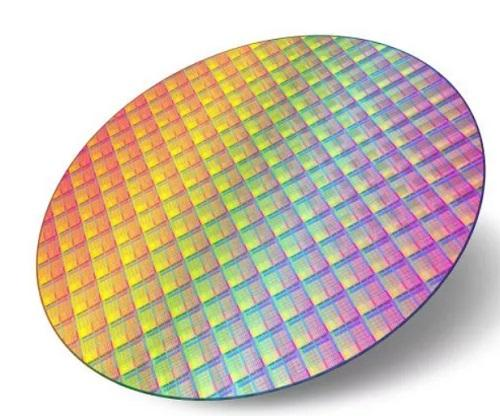
If you’re running a semiconductor fab, you know the nightmare of a ruined batch. In a Class 100 environment, even a tiny bit of outgassing or a few stray particles from a heating element can kill your yield. Most standard heating lamps just aren’t built for this. They tend to flake or leak impurities the moment they hit peak temperature. It’s a mess. That’s why we stick with high-purity synthetic quartz.
Why the material matters
We use fused silica with almost zero metallic impurities. Why? Because it keeps your wafers pristine. Standard glass or cheap quartz just can’t handle the stress of constant thermal cycling. They start “dusting,” and that’s how you end up with contamination you can’t see until it’s too late. Our lamps use short-wave infrared radiation. Instead of heating up all the air around the target, they send energy straight to the substrate. Your cleanroom airflow stays steady, and your environment stays stable.
Getting them into your setup
These are designed to be drop-in replacements. You don’t need to rebuild your whole rig. We’ve got a bunch of different wattages and lengths, so they should fit right into the footprint you already have. We use standard R7s or Sk15 connectors. They’re solid. No arcing, no oxidation—just a clean electrical contact that lasts. One quick tip: keep an eye on your voltage drops if you’re running long cables. High-wattage tubes are hungry for stable power. If your supply jumps around, you’ll see those annoying uneven heat patterns across your substrate.
The “Gotchas”
Here is the thing about high-purity quartz: it’s brittle. It can handle extreme heat without breaking a sweat, but it hates vibrations and rough handling. Treat it gently. When you’re installing them,**use vacuum-suction tools.**Whatever you do, don’t touch the quartz with your bare hands. The oils from your skin create “hot spots” that can cause the tube to fail way sooner than it should. Also, double-check your cooling fans. Make sure they can handle the radiant heat bouncing off the chamber walls, or you’ll risk overheating the ends of the lamp.