


Stop Wasting Heat on Your Equipment Walls
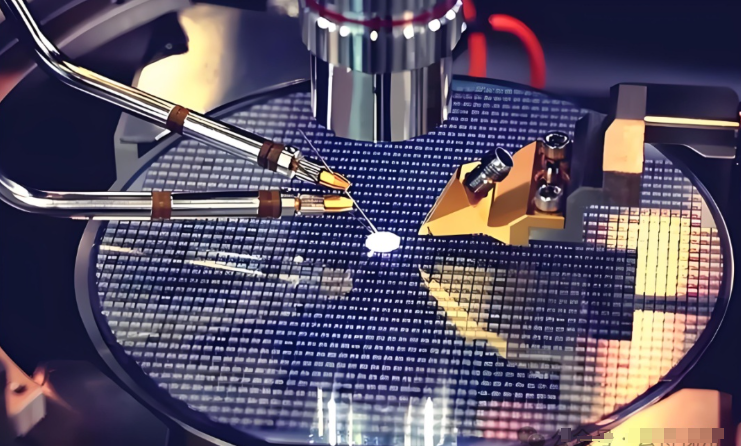
Most heating elements are a bit messy. They just throw heat everywhere. In a cleanroom, that’s a problem. Your expensive semiconductor gear ends up soaking up all that waste heat, which isn’t just a waste of power—it makes the machine chassis hot to the touch and creates a genuine safety headache for whoever is operating it. We deal with this by using directional infrared (IR) lamps. How it actually works Think of it less like a space heater and more like a flashlight. Instead of warming up the air around the part, IR lamps send out electromagnetic radiation. We use specific reflectors and short-wave emitters to push that energy in a straight line. It hits the workpiece and stays there. It doesn’t linger in the air or seep into the metal walls of your machine. You get the heat exactly where you want it, and the rest of your equipment stays cool. Getting the setup right If you’re putting this on a cleanroom bench, you can’t just grab any lamp. You need the right wavelength. We stick with short-wave IR because it cuts through materials faster and doesn’t lose its punch as it travels through the air. We also use quartz envelopes. Why? Because in a cleanroom, the last thing you need is some random flake of material drifting off a lamp and ruining your sample. But you have to be careful with the power. If you cram too many watts into a tiny area, you’ll get hotspots on your substrate, and that’s a recipe for disaster. To keep things steady, we usually pair these lamps with a PID controller and a fast-response thermocouple. It keeps the temperature tight. The honest trade-offs Look, this isn’t a magic fix. Since the energy is so focused, you deal with “shadows.” If your part has a weird shape or complex geometry, some spots will stay cold. You’ll probably need to angle a few different lamps to make sure every inch is covered. One more thing: those lamps get incredibly hot at the head. If you skimp on the cooling fans or heat sinks, you’re going to fry your sockets. Don’t ignore the cooling, or you’ll be replacing parts a lot sooner than you’d like.