

Why We’re Moving to IR Curing for Lead-Free Chips
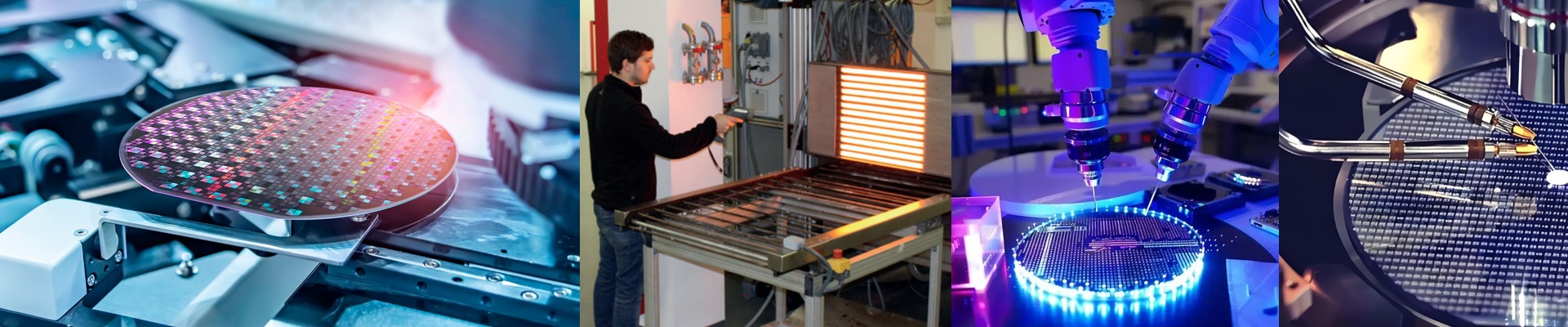
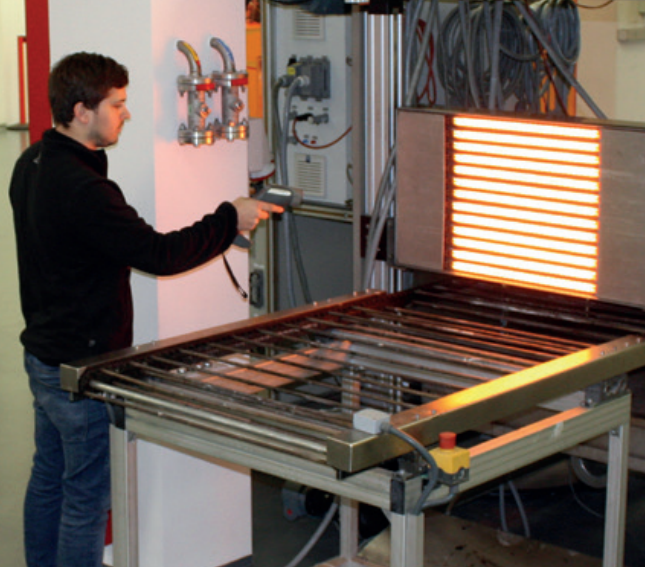
The push for “green” and lead-free semiconductor fab isn’t just a trend—it’s where the industry is headed. For a long time, we relied on convection ovens. But honestly? Heating up a giant mass of air just to dry a wafer is a waste. It’s slow, it eats power, and you’re basically blowing airborne particles all over your work. That’s why we switched to Infrared (IR) curing. Instead of warming up the room, IR sends energy straight to the wafer. No middleman. No heated air. Just direct radiation.
How the physics actually works
Think of it like this: IR lamps are tuned to “speak the same language” as the photoresist or drying agent. When the light hits the surface, it’s absorbed instantly. There’s no waiting for a chamber to reach temperature. You flip a switch, and you have heat. This is a huge win because it lets us ditch those old, heavy lead-based stabilizers that the old-school convection heaters needed to survive high temperatures. We specifically use short-wave IR. It digs deeper and hits harder. It dries the surface layers in a flash, which means the silicon substrate doesn’t have to sit under heat for nearly as long. Your “thermal budget” stays low, and your wafers stay happy.
The trade-offs (because nothing is perfect)
Of course, it’s not all magic. When you concentrate that much energy into one spot, your sensors have to be on their game. If your IR sensors aren’t dialed in to the exact wavelength of the lamp, you’ll overshoot your target. It happens. You can end up scorching the edges of the wafer if you aren’t careful. The trick is balancing the lamp’s power with a tight feedback loop so the temperature stays exactly where it needs to be.
Making the factory cleaner
The best part? IR systems are just… cleaner. You don’t have combustion leftovers or chemical-laden air currents swirling around your cleanroom. For the engineers on the floor, this is a dream. The machines are smaller, and you can get rid of a lot of that bulky ductwork. It fits right into the space where the old thermal tunnels used to be, helping the plant hit those carbon-neutral goals without slowing down production.