Making Sure Your IR Heaters Don’t Become a Hazard
When we’re putting together aluminum reflector assemblies for IR lamps, we think about more than just how well they bounce light. We’re obsessed with the electrical gap. Here’s the thing: high-wattage IR lamps get incredibly hot. That kind of heat eats through insulation over time. If a tube shifts just a fraction or a wire gets a bit frayed, that aluminum reflector—which conducts electricity—suddenly becomes a shortcut to ground. And that’s where things get messy.
Why we test every single lamp
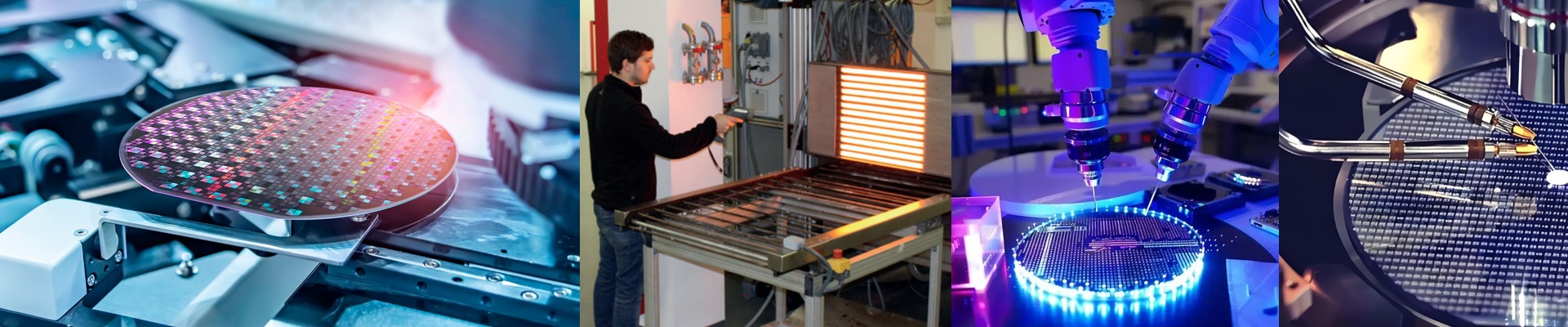
We don’t just flip a switch to see if the lamp glows. That’s not enough. Before any unit leaves our floor, it goes through a high-voltage withstand test (HiPot) and an insulation resistance check. We’re basically pushing the insulation to its breaking point. We want to be absolutely sure there’s zero leakage between the powered elements and the chassis. Why go to all that trouble? Because a failure here means a short circuit. In a busy plant, that could trip your main breakers and kill your production. Or, even worse, it could energize the entire frame of your machine. By testing 100% of our units, we catch the stuff you can’t see—like a pinched wire or a tiny micro-crack in the quartz—before it ever reaches your shop.
The trade-off with high-density heat
High-power IR setups are great for fast curing or PET blowing because they pack a punch. But that power puts a lot of stress on your electrical setup. You get the heat you need, but your grounding has to be spot-on. If your machine’s grounding is weak, even a perfectly tested lamp can’t stop induced currents from causing headaches.
Getting it installed safely
You can drop these assemblies right into your existing racks, but please, take a look at your wiring first. Use high-temp leads. If you go with cheap wiring, the insulation will melt and burn out long before the lamp does. We set our tests to go well beyond standard operating voltages. We do this so that when these lamps are grinding away in a 24/7 production cycle, they stay safe.