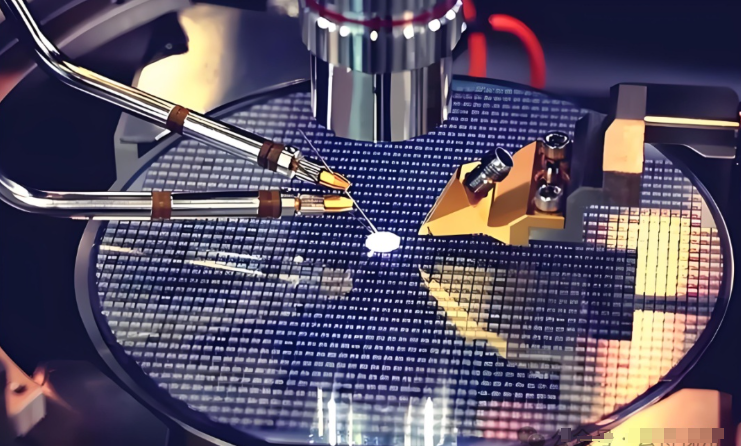
Out on the fab floor, a wafer coming out of the clean isn’t truly clean until it’s bone-dry. Any leftover water marks, micro-stains, or surface tension gradients will show up downstream as photoresist adhesion issues and particle defects in lithography. When the process window tightens below 2 nm, the standard spin-dry cycle just can’t keep up. The root cause is thermal.
What actually matters, technically
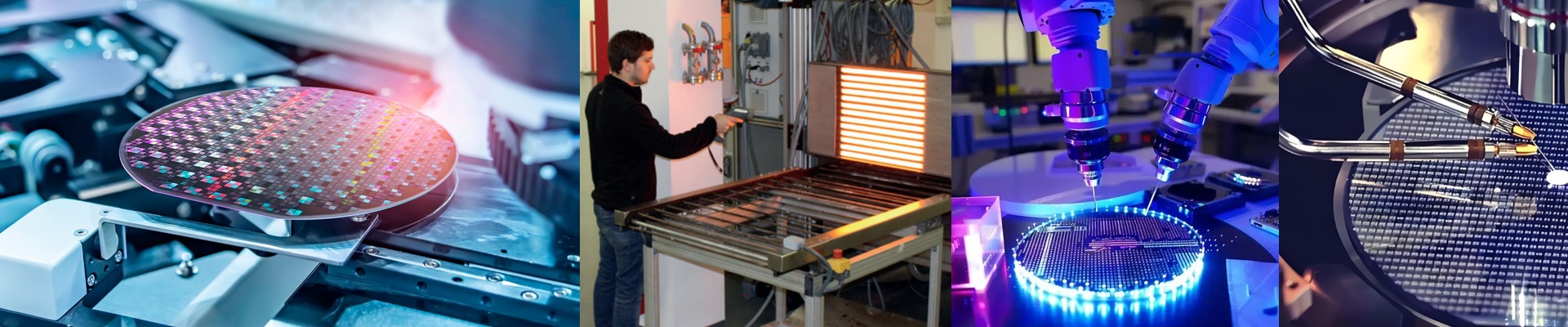
We swap broad-spectrum heating for targeted energy delivery using NIR. The wavelength is tuned to the water absorption peak, not the substrate. That gives us wafer-level thermal uniformity of ±0.1°C across the entire surface. Evaporation becomes predictable, without shocking the wafer or triggering photoresist outgassing. The platform is built for Class 1–100 cleanroom integration and runs with zero particle events during operation.
Why this works in day-to-day fab life
You need a process that repeats, shift after shift. Our thermal control holds tight during the critical post-clean bake, so surface energy stays consistent for the next photoresist coat. That repeatability pulls a major variable out of the lithography stack, which directly improves line-width control and cuts down on rework. The system has proven 24/7 reliability with zero unplanned downtime, so you protect thermal budget and keep throughput intact.
What you need to get right up front
Bringing this in requires careful attention at the interface. The drying chamber has to be plumbed to match your existing wet bench exhaust and chemical abatement setup. The unit is solid, but it’s sensitive to the starting water film thickness on the wafer—so the incoming cleaning process has to be stable. Expect a short commissioning window to align the thermal profile with your specific cleaning chemistry and cycle time. The payoff is straightforward: every defect prevented at the dry step is one less wafer scrapped.