Making Your Outdoor Heaters Actually Smart
Ever tried to enjoy a drink on the patio in November, only to realize it’s way too cold to actually sit there? By the time you get up, find the switch, and wait for the heat to kick in, the mood is gone. That’s where smart integration comes in. Instead of walking over to a wall switch, you just tell your house to warm up the deck.
How the Magic Happens
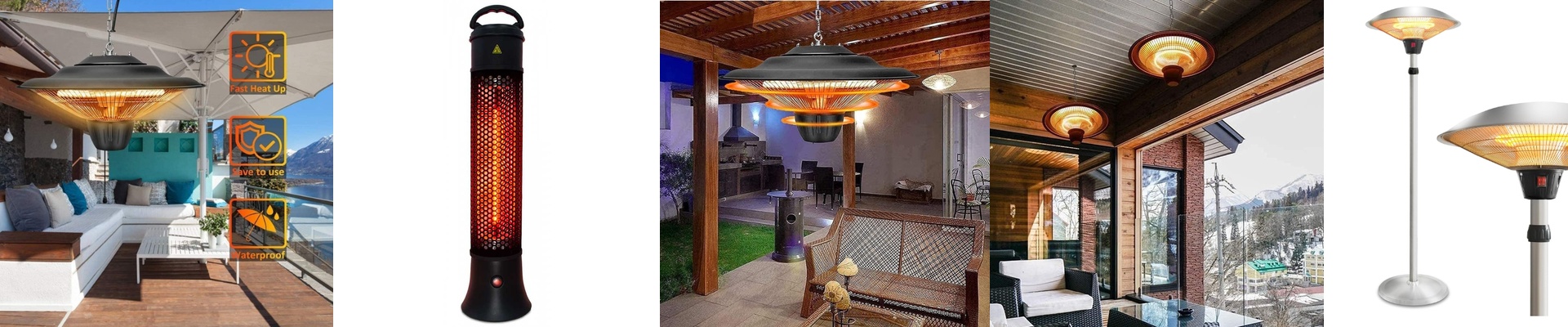
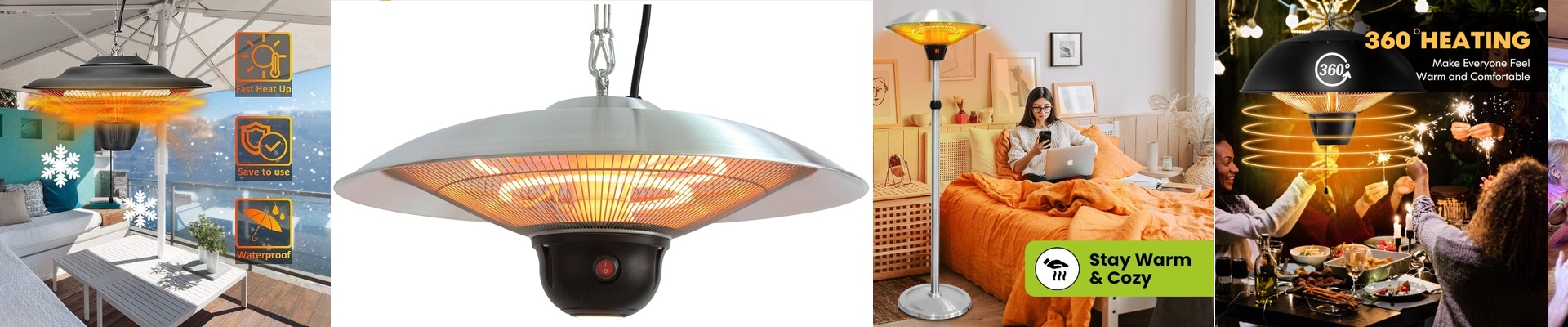
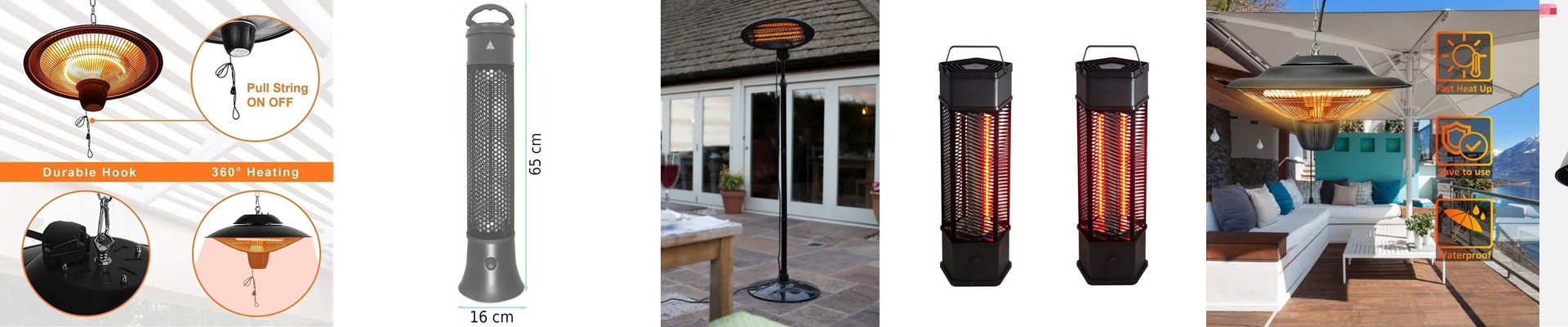
Here’s the thing about infrared heaters: they don’t waste time trying to heat the air around you. They beam heat directly onto your skin. It’s like stepping into a patch of sunlight on a cloudy day. When you hook these up to a smart relay or an IoT controller (using things like Wi-Fi or Zigbee), you’re basically putting the “on” switch in your pocket. You tap a button in an app, the relay clicks, and the lamps glow instantly. No waiting twenty minutes for a convection heater to slowly warm up the breeze. It’s just… hot. Right away.
Don’t Let the Rain Ruin Everything
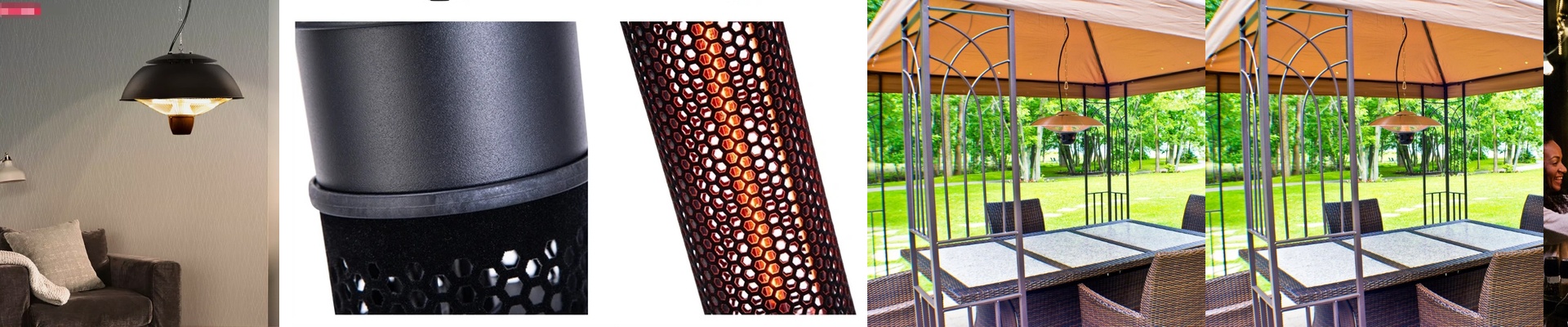
Since we’re talking about the outdoors, water is the enemy. You want to look for gear with an IPX4 or IP65 rating. In plain English? That means it can handle a splash or a rainstorm without shorting out. Most of these heaters wrap the elements in quartz glass to keep them from rusting or wearing down. But a pro tip: make sure your junction boxes are sealed tight. If a little moisture leaks into the housing, your GFCI breaker will trip immediately, and you’ll be sitting in the dark and the cold.
A Warning About Your Wiring
Now, here is where people usually mess up. Infrared heaters are power-hungry. A 2000W heater pulls a lot of current—way too much for those cheap, little smart plugs you buy in bulk. If you try to run a heavy-duty heater through a flimsy plug, you’re likely to melt it. The smart way to do this is with acontactor. Think of the smart switch as the “brain” and the contactor as the “muscle.” The smart switch tells the contactor to close, and the contactor handles the heavy electrical lifting. It keeps your smart gear from burning out. And while you’re at it, check your wire gauge. If the wires are too thin, you’ll lose power along the way, and your heater will feel more like a lukewarm lamp than a winter-beater.