


Getting Your Fab’s Heat Under Control
If you’re working in semiconductor fab, you know the nightmare of a single speck of contamination ruining a whole wafer. That’s where Ultra High Purity (UHP) heater lamps come in. But let’s be honest: the old way of “set it and forget it” doesn’t cut it anymore. You need your heating systems to actually talk to your PLC and make adjustments on the fly.
The magic of UHP Infrared
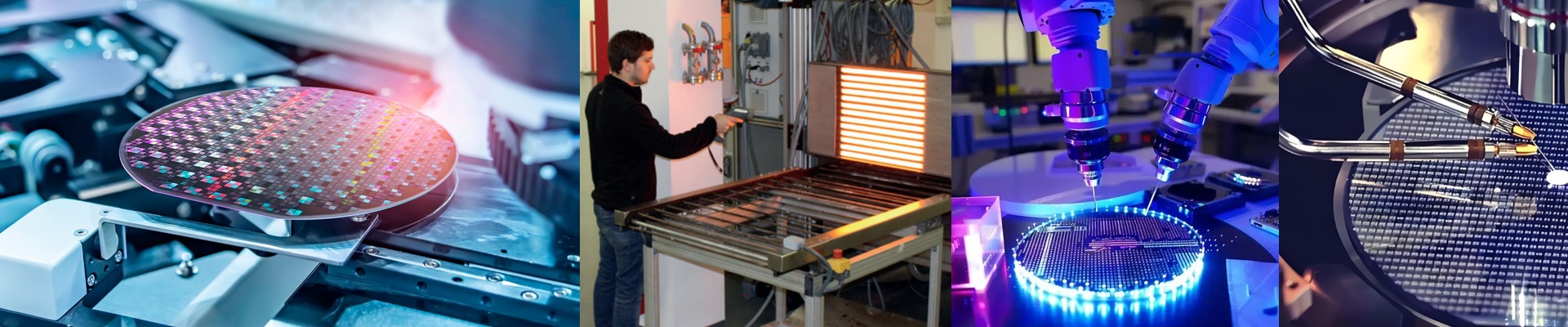
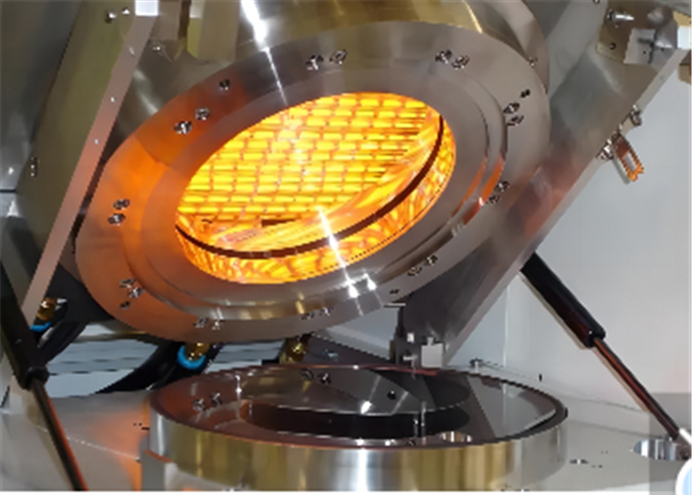
We use short-wave infrared emitters because they’re incredibly fast. Instead of wasting time heating up the air around the wafer, the energy goes straight into the substrate. By tweaking the voltage and duty cycle, you can hit your target temperature in seconds. It’s fast. Really fast. And that matters because it keeps your thermal budget low, which stops dopants from diffusing where they shouldn’t.
Making it “Smart”
A modern Fab lives and breathes data. We hook these lamps up to closed-loop feedback systems so you aren’t just guessing. Pyrometers send real-time temperature readings back to the controller, which then dials the power up or down. It gets rid of those annoying “blind spots” you get with old-school resistive heaters. Plus, you get a digital log of every single thermal cycle. This is a lifesaver for maintenance. You can actually see a lamp starting to fade and swap it out before it burns out and kills a production run.
The tricky parts
Now, here’s the catch. High-density infrared systems pull a ton of power. When you’re processing 300mm wafers, the lamp housing gets seriously hot. You have to get your cooling manifolds exactly right. If your airflow dips even a little, the housing overheats and your filaments will pop way sooner than they should. And one more thing: the wiring. When you move to a digital grid, EMI shielding is everything. High-frequency switching in the power supplies can create a lot of electronic “noise” that messes with your sensors. Stick with shielded cabling and solid grounding to keep your signals clean. Otherwise, you’re just chasing ghosts in your data.