Stop One Broken Lamp From Killing Your Whole Batch
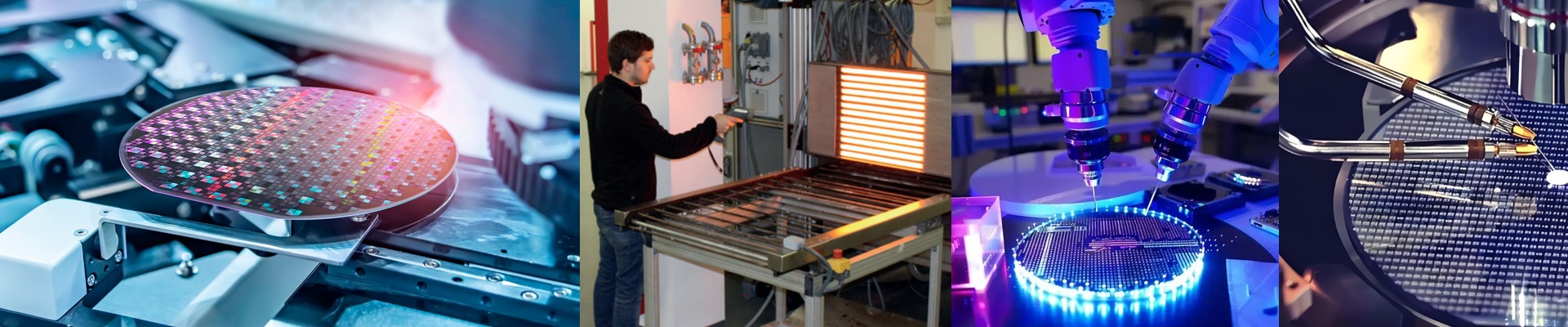
In a high-load semiconductor setup, a single lamp popping isn’t just a nuisance. It’s a nightmare. When a quartz tube bursts, you aren’t just losing your heat source. You’re dealing with a shower of glass shards and halogen gas raining down right onto your production zone. It’s messy, it’s expensive, and it can scrap an entire batch of wafers in seconds. That’s exactly why we built our infrared lamps the way we did. We wanted to kill that “secondary contamination” problem before it even starts. Keeping the mess inside Here is how we handle it: we wrap the halogen tube in a high-strength protective sleeve. Think of it as a safety cage. If the inner lamp cracks under pressure or just burns out, the sleeve catches everything. The debris stays put. Your silicon stays clean. We also spent a lot of time on the seals. Seals are usually where things go wrong. We use specific gaskets so that even if the internal vacuum fails, the leak is contained. No surprises, no contamination. Dealing with the heat High-wattage lamps get incredibly hot, incredibly fast. If you use cheap quartz, you get micro-cracks. They start small, but after a few aggressive ramp-ups and ramp-downs, they snap. We use high-purity synthetic quartz because it actually handles that thermal stress. It’s tougher. It lasts longer. But a quick tip: keep an eye on your cooling. Our lamps can take the heat, but your chassis needs to be able to move the ambient air. If your housing gets too hot, your lamp life is going to tank. Simple as that. Making life easier Nobody wants to rewire a whole rack just to swap a part. So, we used standardized connectors. These are drop-in replacements. It’s a small detail, but it stops installation errors. No more electrical arcing—which, let’s be honest, is a huge reason why tubes fail early in the first place. Now, to be fair, the protective layer does block a tiny bit of the raw IR transmission. But when you weigh that against the horror of a full chamber clean after a burst? It’s a trade-off we’ll make every single time.