Getting Your Rinse Cycle Under Control with Waterproof IR
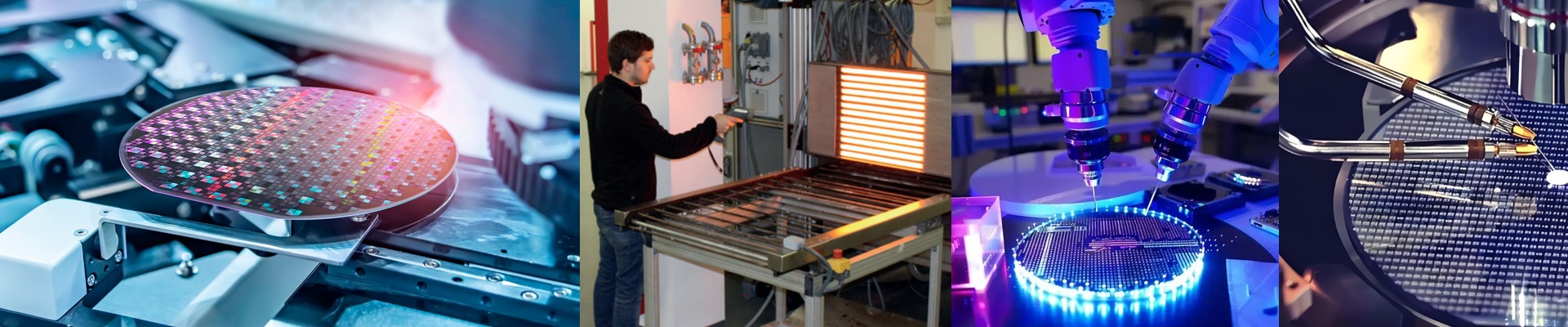
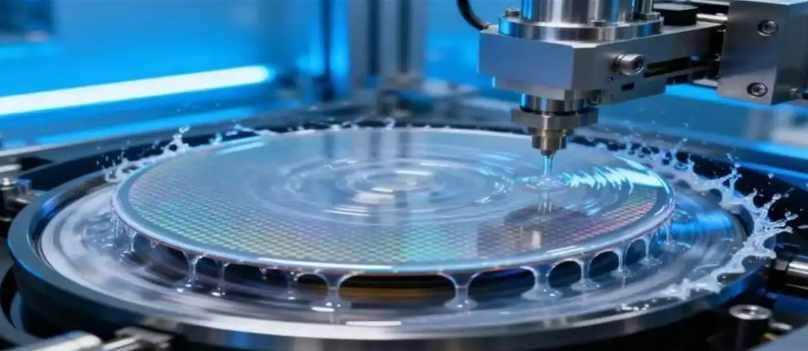
If you’ve spent any time in a smart Fab, you know the rinse stage is usually where everything slows down. It’s the bottleneck. To fix that, we’ve been using waterproof infrared (IR) lamps to flash-dry substrates or keep temperatures steady. The big win here is that you can blast the parts with heat without worrying about water or chemicals causing a short circuit. Actually controlling the heat Forget those old resistive heaters. They’re slow. IR is different because it hits the target instantly. When we hook these lamps up to a PLC-controlled PID loop, the system actually “sees” what’s happening. If the parts coming down the line are wetter than usual, the heat kicks up automatically. It just works. Plus, space is always a nightmare in a cleanroom. IR lamps pack a ton of punch into a tiny footprint. You get all that thermal energy without needing a massive, clunky forced-air oven taking up half the floor. The battle against water and glass Now, you can’t just throw any lamp in there. We use quartz envelopes and sealed end-caps to keep the moisture out. Here’s the tricky part: if a cold water droplet hits a scorching hot lamp, the glass can shatter from thermal shock. To stop that, we use special coatings. They spread the heat more evenly across the tube so you don’t get those dangerous hot spots. But you have to be careful with the waterproofing. If you wrap the lamp in a jacket that’s too heavy, you’re basically shielding the IR radiation. You end up blocking the very heat you’re trying to deliver. We spend a lot of time picking sealants that can handle the nasty chemical vapors in those rinse tanks without blocking the energy. The real-world trade-offs Nothing is perfect. High-power IR systems pull a lot of current. If you’re scaling this across the whole factory, make sure your power panels can handle that initial surge, or you’ll be tripping breakers all day. And remember, IR is line-of-sight. It’s like a flashlight. If your parts are stacked or something is blocking the view, the heat won’t reach the center. You have to map out your lamp arrays carefully to make sure there aren’t any cold zones left behind.