




Why We’re Obsessive About Testing Clean Room IR Heaters
In a clean room, there’s no such thing as a “small” mistake. When we build infrared heaters for these spaces, we aren’t just worried about a bulb burning out. The real nightmare is electrical leakage. A tiny leak could contaminate a sterile zone or, even worse, fry a piece of equipment that costs more than my car. That’s why we don’t do “random samples.” We test every single lamp tube for voltage withstand and insulation resistance before it ever leaves our shop. Every one.
Putting the Glass to the Test
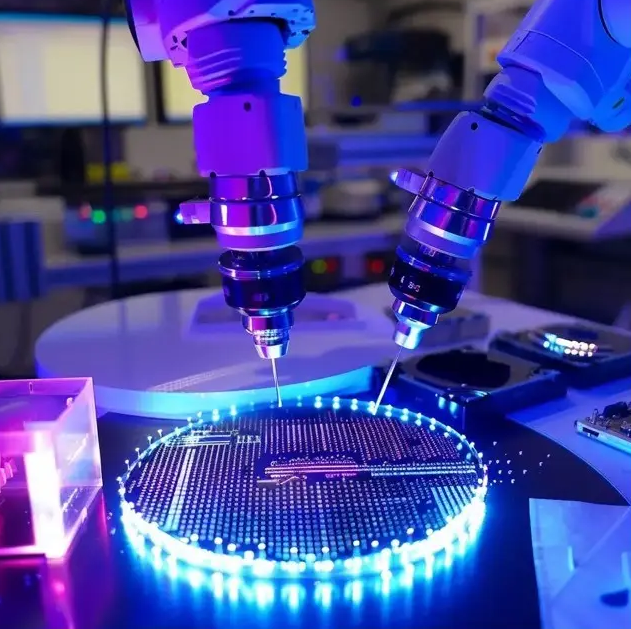
Here is how it works. We hit every tube with a high-voltage stress test. We’re basically trying to break them. We push the insulation to the limit to see if there are any microscopic cracks or impurities in the quartz. If a tube leaks even a tiny bit of current? It’s trash. No second chances. Then we check the insulation resistance. We need to be sure the electricity stays exactly where it belongs—inside the filament circuit. If current starts wandering, it can mess with your sensitive sensors or trigger a sudden, annoying emergency shutdown of your entire line.
Saving Your Gear (and Your Sanity)
You’re probably plugging these into precision systems that are incredibly expensive. One bad lamp can blow a fuse. Or, if you’re unlucky, it can toast a control board. By testing 100% of our stock, we kill off those “lemon” components before they ever reach your door. You get a part you can just drop in and forget about. No tripped breakers. No frantic midnight repairs.
The Honest Truth About Lead Times
I’ll be straight with you: this level of testing takes time. It slows us down. If you buy mass-market lamps, you’ll get them faster. But those lamps aren’t vetted like ours are. It’s a trade-off. You might have to wait a few extra days, but you get the peace of mind knowing your system isn’t going to crash because of a preventable electrical glitch. To us, that’s a fair deal.