More Than Just a Warm Bathroom: The Secret to Killing Humidity
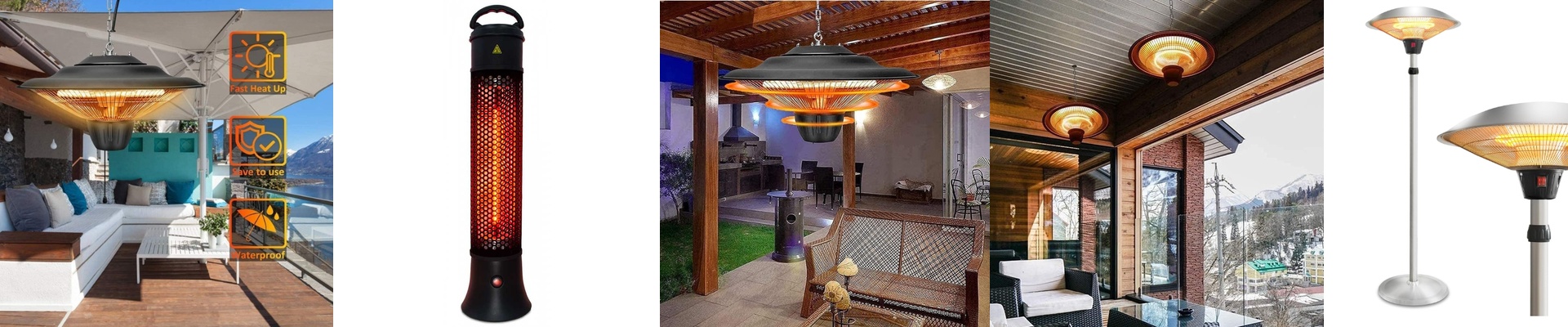
Most people see those bathroom heat lamps and think, “Great, I won’t freeze while I’m drying off.” But if you look under the hood, these things are actually precision tools for fighting moisture. When we’re picking out an IP65-rated infrared element, we aren’t just obsessing over the wattage. We’re looking at the light spectrum.
Stopping Mold Before It Starts
Mold loves a stagnant, damp room. The problem with regular heaters is that they just warm the air, which can actually push moisture into the corners and keep it there. Our short-wave infrared elements do things differently. They send out radiation that actually sinks into the surfaces of your bathroom. It makes the water molecules on your tiles and grout vibrate, which turns that liquid into vapor much faster. Once the water is in the air, your vent can actually do its job and pull it out. No damp corners means no place for mold to move in.
Dealing With the Chaos of a Bathroom
Let’s be honest: bathrooms are brutal on electronics. Between the steam and the occasional stray splash, most heating elements just give up. That’s why we use IP65-sealed housings. It keeps the water far away from the electrical guts. Inside, you’ve got a tungsten filament wrapped in high-purity quartz. But here’s the tricky part: the heat. Going from ice-cold to 600°C in a few seconds puts an insane amount of stress on the seals. If the seal slips, oxygen gets in and the filament burns out almost instantly. We use specific gaskets to make sure that seal holds tight, even after you’ve flipped the switch hundreds of times.
Getting the Setup Right
The best part? The heat is instant. You don’t have to wait ten minutes for the room to “warm up” before you step out of the shower. It’s just there. But there is a catch. Infrared is line-of-sight. It’s like a flashlight—it only hits what it’s pointing at. If you don’t position the fixture correctly over the wettest areas, you’ll end up with “cold spots.” And those cold spots are exactly where the mold likes to hide.