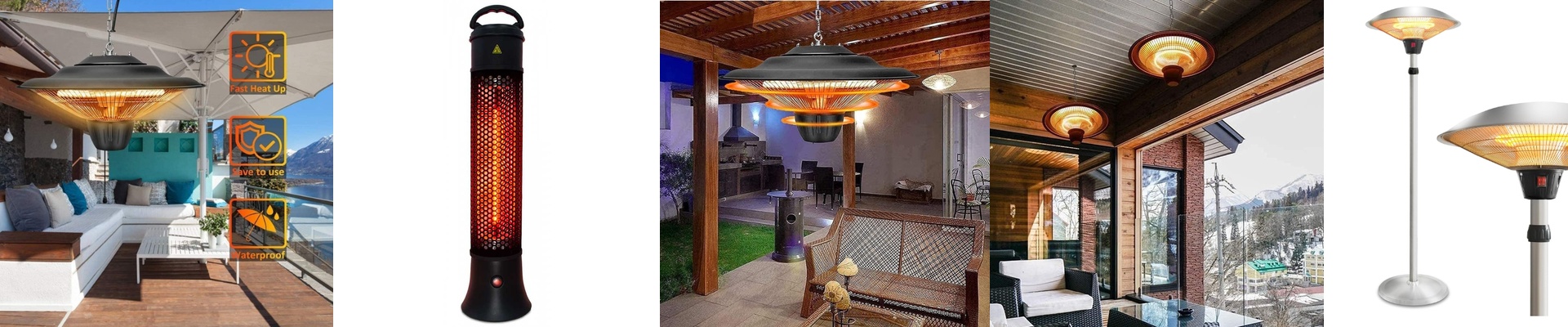
Why Most Gazebo Heaters Die (And How We Fixed Ours)
Let’s be honest: putting a heater in a gazebo is basically asking for trouble. You’ve got humidity, wind-blown rain, and those annoying temperature swings that happen the second the sun goes down. If you just take a standard 1500W infrared heater and bolt it to a ceiling, it’s going to fry. Fast. Most of the time, it’s because water gets where it shouldn’t, causing a short or just plain wearing the machine down.
Dealing with the Wet Stuff
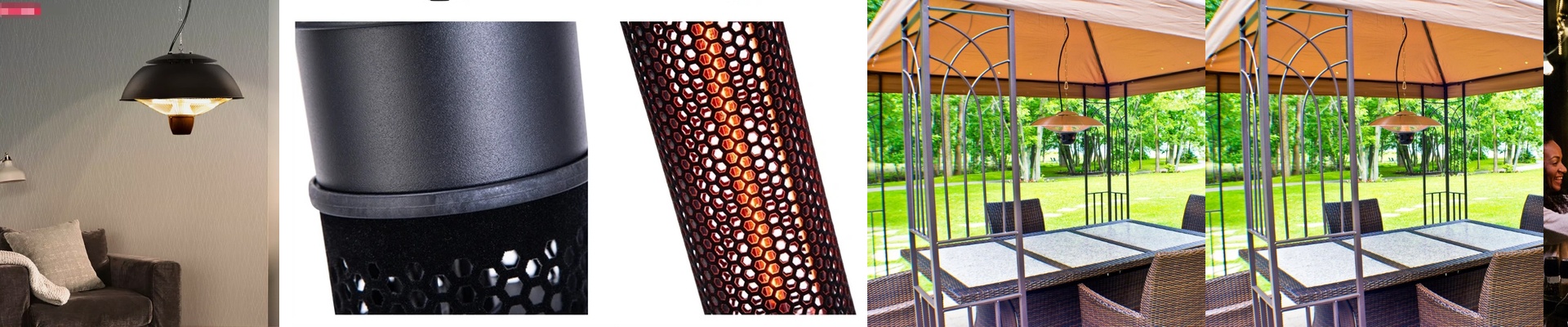
Here is the real problem: when water droplets hit a hot heating element, the glass expands unevenly. That’s how you get a cracked quartz tube. Not great. To stop that, we built a chassis that actually keeps the water out of the electrical guts. We sealed the wiring junctions and used a proper IP-rated enclosure. It keeps the moisture away from the terminals so you don’t get those scary “arc-flash” pops you see in the cheap units. And then there’s the fog. You know that cloudy film that builds up on the lens? It doesn’t just look messy—it actually blocks the heat. It scatters the infrared beam, meaning you’re paying for 1500W of power but only feeling a fraction of it. We added a special coating to the reflector and lens to stop the fogging. This keeps the heat focused right where you are, instead of wasting it on the air.
Heat, Power, and a Little Maintenance
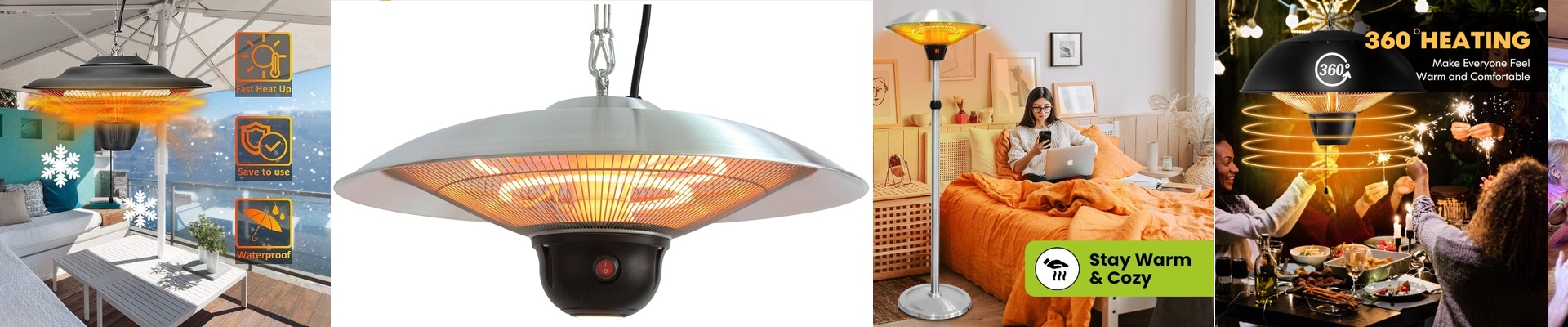
A 1500W rating is the “sweet spot” for an open-air gazebo. It’s enough punch to actually keep you warm when the breeze kicks in. But to make that work, we had to use higher-grade filaments that can handle the stress without burning out. One quick tip: check your wiring. If your wires are too thin, you’ll get a voltage drop. That kills your efficiency and makes the heater struggle. Lastly, remember that these things live in the wild. Even with the splash-proofing, the quartz tubes still need a little love. Dust and salt buildup can create “hot spots” on the glass. If you let that gunk sit, the glass gets stressed and eventually snaps. A quick wipe-down every now and then is all it takes to keep it running for years.