Why Your Bathroom Heater Won’t Blow Up in Your Face
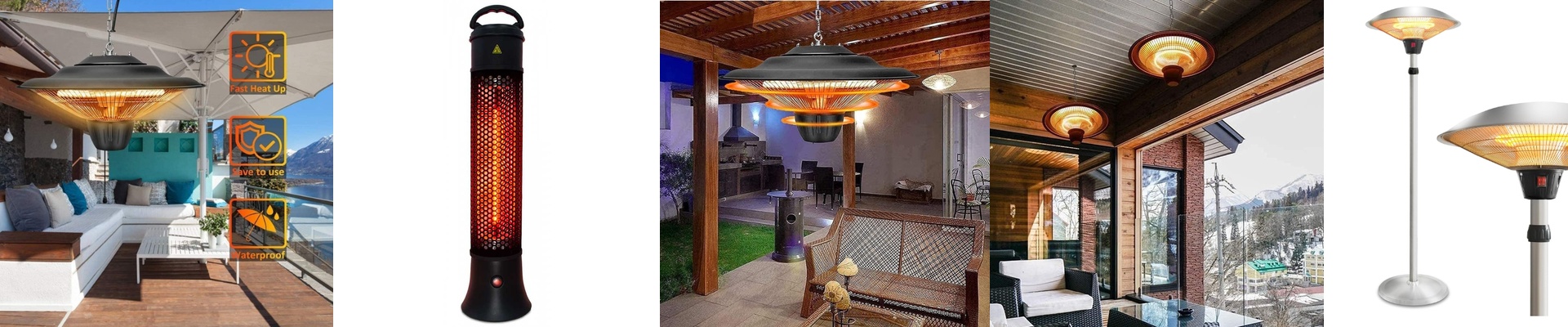
When we’re designing infrared lamps for bathroom ceilings, we aren’t just trying to keep you warm. We’re basically managing a disaster zone. Think about it: you’ve got thick steam, wild temperature swings, and water splashing everywhere. Standard quartz glass just can’t handle that. It cracks. Simple as that.
The “Cold Drop” Problem
We use quartz because it can take the heat and lets infrared rays pass right through. But it has a bit of a temper when it comes to “thermal shock.” Imagine a heating tube glowing at 600°C. Now imagine a single, stray drop of cold shower water hitting it. The glass shrinks instantly in that one tiny spot, and pop—it shatters. To stop this, we use explosion-proof quartz. It’s not some fancy paint or a thin coating; we actually treat the glass to change how it reacts to temperature shifts. Even if the tube does fail, it won’t spray shards across your bathroom. It stays together and keeps the filament tucked safely inside.
Instant Heat, No Fluff
Most of these units use shortwave infrared. We take a tungsten filament, wrap it in a halogen-filled quartz envelope, and crank it up. This lets us push the heat way higher without the filament burning out. That’s why you feel that intense, cozy warmth the second you flip the switch. But there’s a catch: the tube gets white-hot. Because of that, we build the housing with heavy-duty heat sinks and a sturdy grill. It keeps the heat going down where you want it and keeps you from getting burned if you accidentally touch the unit.
Getting It Right
We designed these to be easy to swap out. The connectors are built to resist vibration, so they won’t wiggle loose just because your house settles or the walls shift a bit. One last thing—and this is important. While the glass is built to be “explosion-proof,” that doesn’t cover the electricity. You still need a proper GFCI setup. The glass keeps the shards in; the wiring keeps the moisture out. You need both to actually be safe.