Commercial Radiant Halogen Heaters: 400V Power, R7s Connectors, and 300mm Tubes
Imagine needing heat, and getting it—fast. No waiting around for air to warm up. Just pure, direct warmth exactly where you need it. That’s what these commercial radiant heaters are all about. They’re built for industrial spaces where you need heat on demand, right now. The secret? A shortwave halogen element tucked inside a compact 300mm quartz tube.
Power, Voltage, and Size—Why It All Matters
Here’s the thing: packing serious heat into a small space is a game of efficiency. These heaters run on 400V and deliver 2500W of power, all in a 300mm tube. That 400V setup isn’t just a number. It means you can run higher wattage over longer cable distances without losing power. Less current, less voltage drop, and the element performs exactly as rated. And the 300mm length? It creates a tight focal zone. You’re not wasting energy heating the whole room. You’re zeroing in on the exact spot that needs the heat.
The Inside Story: Halogen, Coating, and R7s
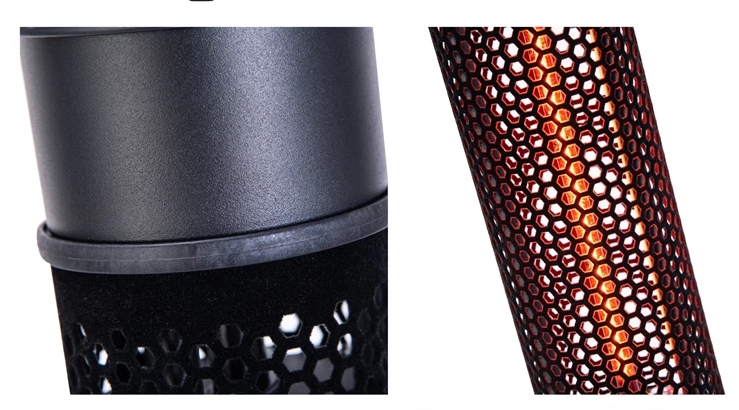
The magic starts with the shortwave halogen element. The filament runs hot—really hot—and blasts out intense infrared energy. That means the temperature climbs fast. The quartz tube can handle the shock of rapid heating and cooling without cracking. It’s tough. Then there’s the reflective coating. It doesn’t just sit there—it actively pushes more heat forward, so more of it lands on your target, not lost to the sides. And the R7s connector? It’s a no-fuss, two-pin ceramic termination. It gives you solid mechanical support and stays stable even in extreme heat. So even if things get shaky, you won’t get any arcing.
Real-World Use: PET Blowing and Industrial Heat
This setup shines in applications like PET blowing. You need to soften preforms quickly and evenly, and that’s exactly what these heaters do. The combo of high wattage, fast shortwave response, and that focused 300mm beam gives you repeatable, reliable heating. That helps you cut down cycle times. But here’s the catch—high heat density means you need proper machine cooling and good thermal shielding. You’ve got to keep nearby components and your team safe. It’s all part of working with this kind of power.