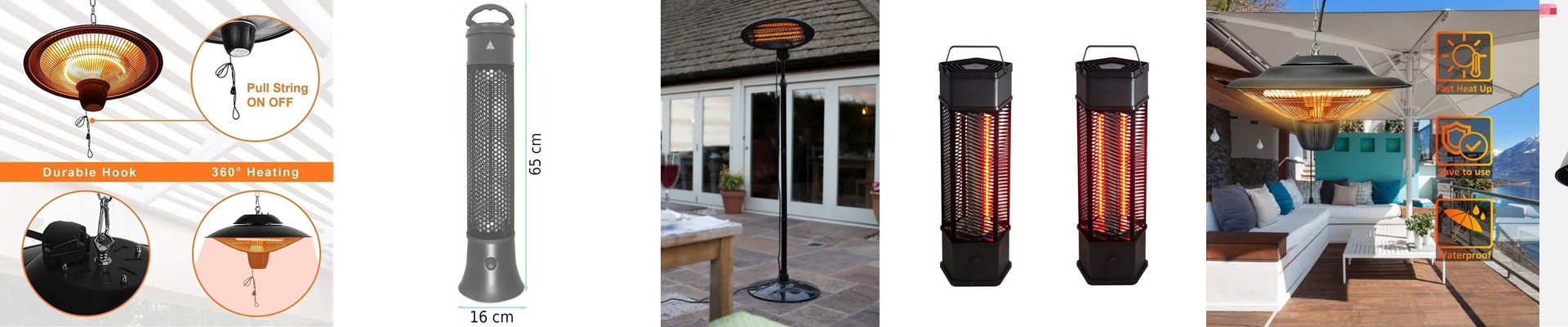
Outdoor Radiant Heater: Powerful Halogen Lamps with R7s Connectors
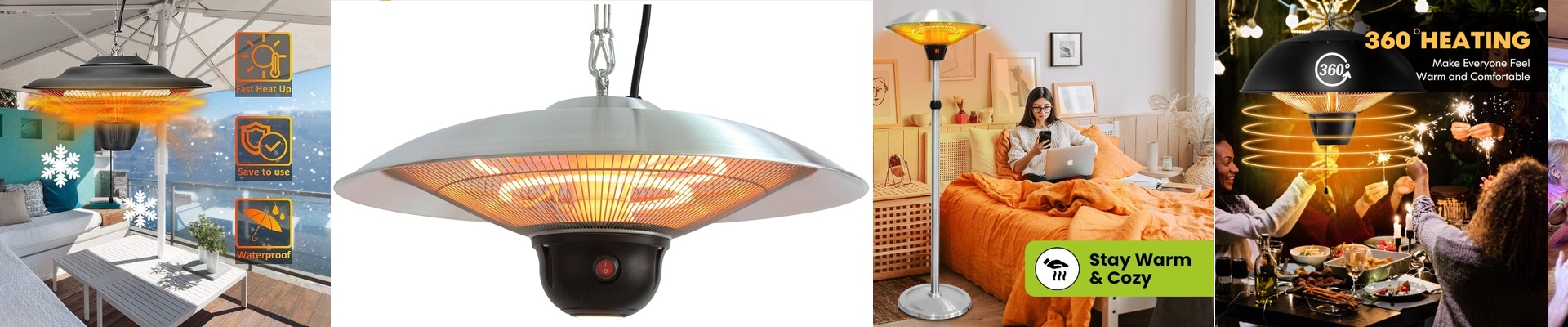
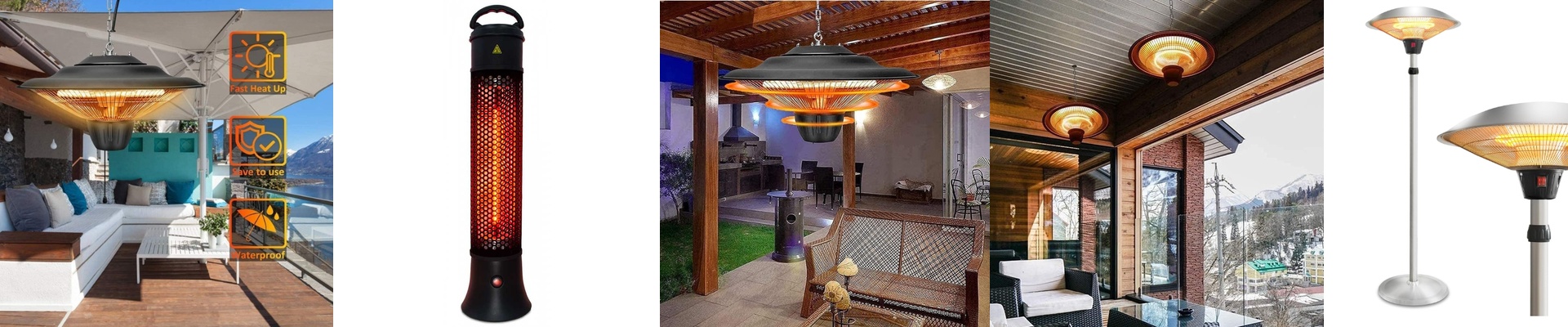
Here’s the thing about staying warm outside when the air turns brutal. You need heat that hits you, right where you stand. Not some slow-to-warm-up system that chases the wind. That’s why we built our outdoor radiant heaters around shortwave halogen lamps. They give off that focused, infrared warmth instantly. These lamps are tough. They take the hard life of the factory floor or the open yard in stride, delivering heat straight to the spot where convection heaters just give up.
The Power Behind the Heat
Let’s talk about what makes these things really work. It comes down to the power, the voltage, and the size. We run these heaters on a 400V supply. That juice drives high-wattage elements packed into a tight 300mm tube. The result? A serious punch of heat from a surprisingly small footprint. And that 400V choice? It’s standard in industrial three-phase setups. So you can wire this thing up without having to overhaul your electrical panel. The 300mm length keeps the whole unit compact, so you can mount it right where you need it, without needing a complicated bracket setup.
Built to Last: The Halogen Core
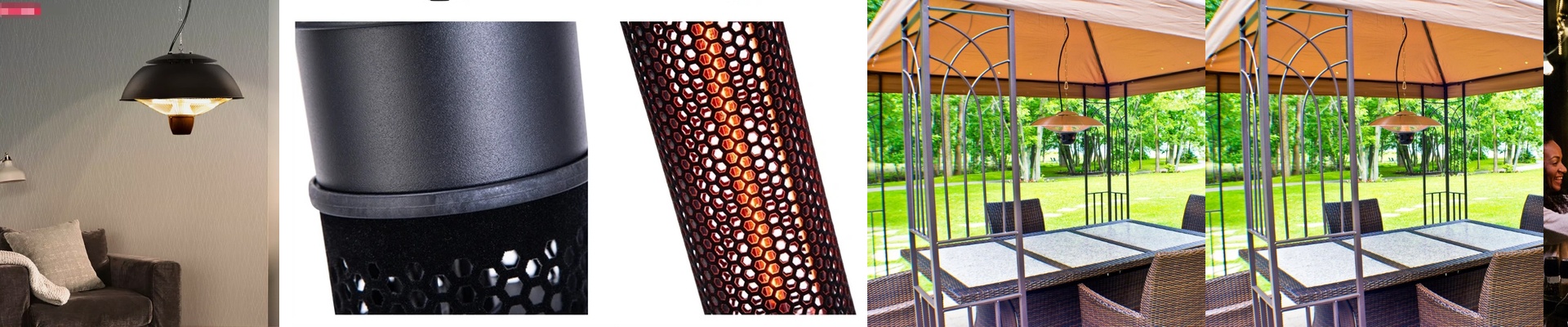
Inside, you’ll find a halogen capsule nestled inside a quartz tube. This combo can handle rapid heating and cooling, and stands up to serious operating temperatures. We also coat the inside to reflect more infrared forward. That means more of the energy goes straight to your target, instead of getting wasted. Then there’s the R7s base. It’s a solid, industrial connector that handles the current, keeps everything lined up perfectly, and makes swapping out a lamp a simple, straightforward job. No fuss.
Where It Shines
This setup is made for outdoor spots and semi-enclosed spaces that need targeted heating. It starts working the second you flip the switch. The heat is directional, so you feel it right away. No waiting around for warm-up time to eat into your productivity. But here’s the part to keep in mind: that high heat density means you need to plan for proper cooling and clearance. You’ve got to give nearby components enough space so they don’t overheat. It’s a small trade-off for the kind of focused power you get.