How to Actually Size Your Bathroom Infrared Heater
Here is a common mistake: thinking that the biggest wattage equals the best heat. It doesn’t. If you go overboard, you’re just throwing money away on your electric bill. The trick is matching the heat to the actual size of your space.
Getting the wattage right
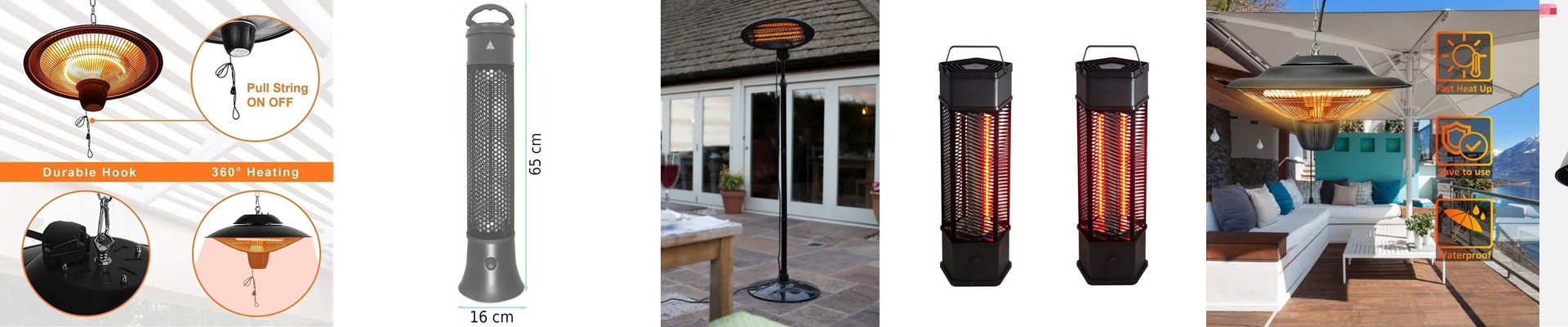
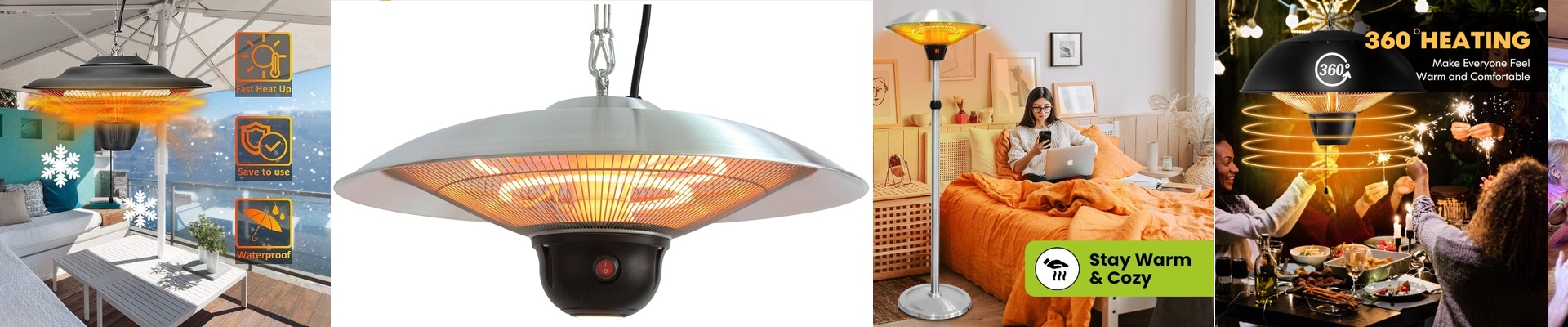
If you’ve got a tiny bathroom—we’re talking under 4 square meters—you don’t need a powerhouse. A 400W to 600W lamp is usually plenty. Plus, if you put too much power in a small room, the thermostat will just freak out. It’ll kick on, hit the target temp in seconds, and shut off. Over and over. That constant clicking wears out the relays way faster than they should. For those medium or larger bathrooms (around 6–10 square meters), you’ll want to step up to 800W or 1200W. The great thing about shortwave infrared is that it doesn’t waste time heating the air. It goes straight to your skin and the walls. You feel that warmth the second you step in, even if there’s a drafty window nearby.
The deal with IPX4 ratings
You’ll see “IPX4” on the box. All that really means is the unit can handle splashes from any direction without shorting out. To make that happen, we have to seal the electronics and the lamp housing tight. But there’s a catch. Those seals trap heat inside the chassis. If you try to cram a high-wattage lamp into a housing that wasn’t built for it, you risk melting the wiring or ruining the casing over time. Just double-check that your fixture is actually rated for the lamp you’re buying.
A few pro tips
Stop guessing. If your bathroom has a massive exterior window or the insulation is non-existent, just bump your wattage up by about 20%. It’ll save you from shivering. And please, wire it to its own dedicated circuit. These lamps pull a lot of current. If you use thin, cheap wiring, you’ll get a voltage drop. That means less heat for you and a lot more waste. Get the wattage right from the start, and you can stop paying for heat that your room can’t even hold.