
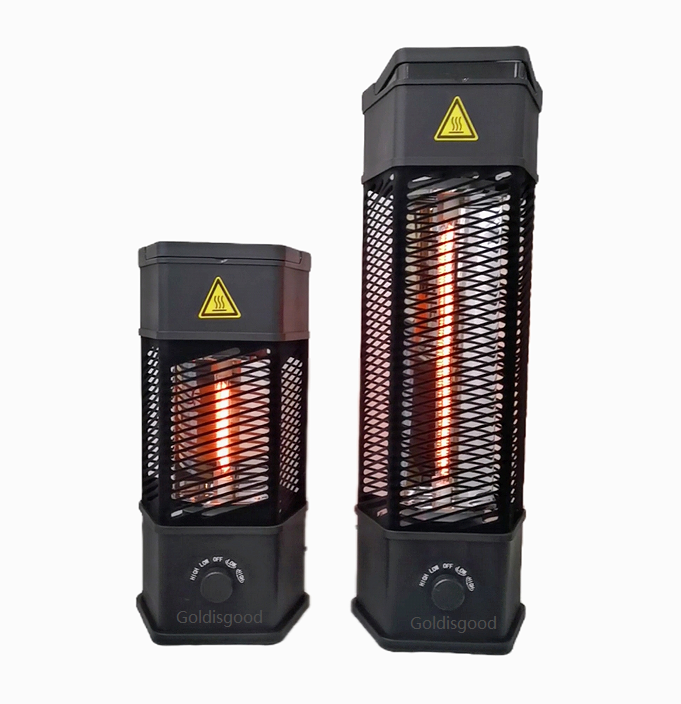
Outdoor seating goes quiet the second the temperature drops. Guests bail, tables sit empty, and service slows to a crawl. That’s not just comfort—it’s revenue walking away. Bring in an app-control electric infrared heater, and you’ve got a practical way to keep the patio warm on demand, without ripping the space apart.
What’s actually going on under the hood
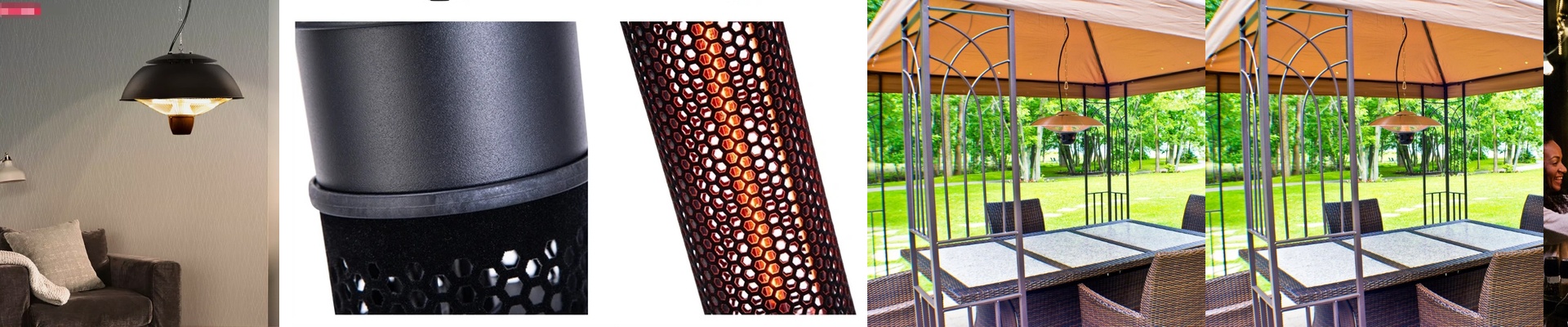
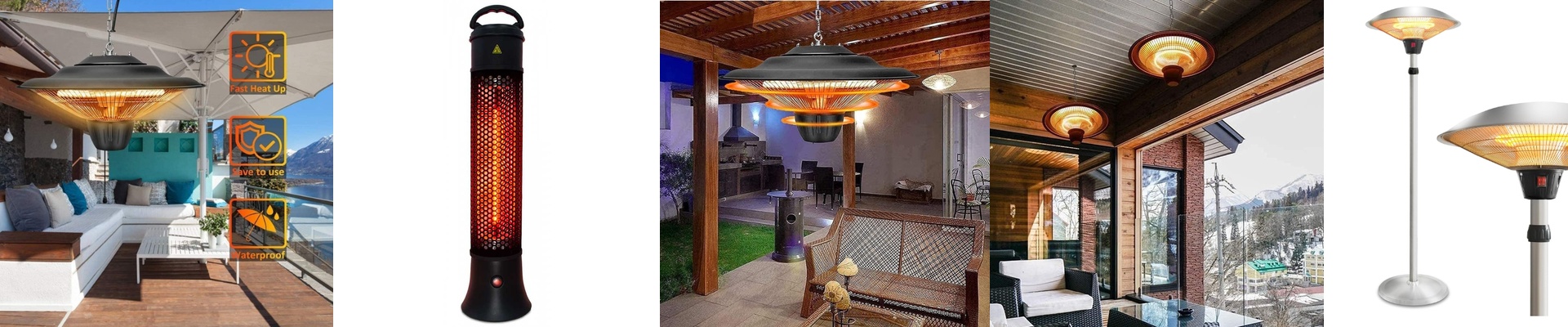
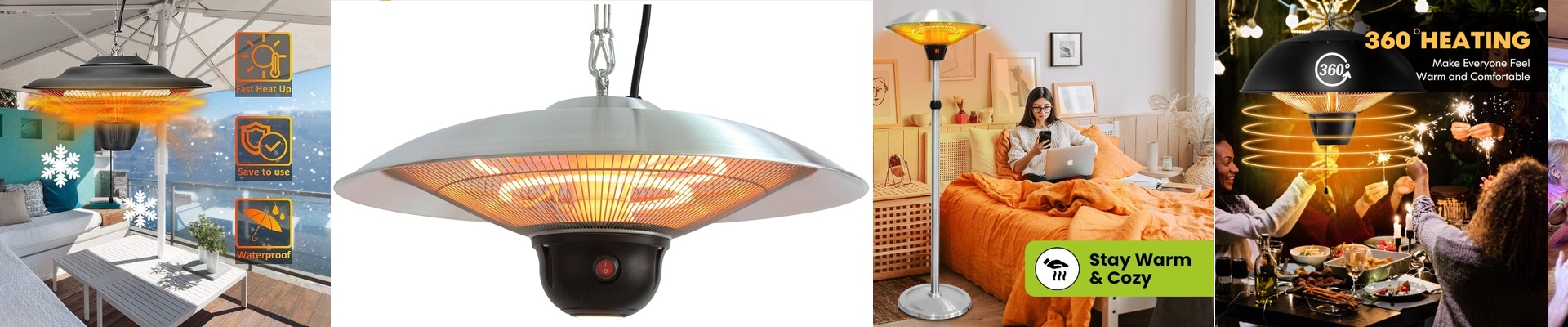
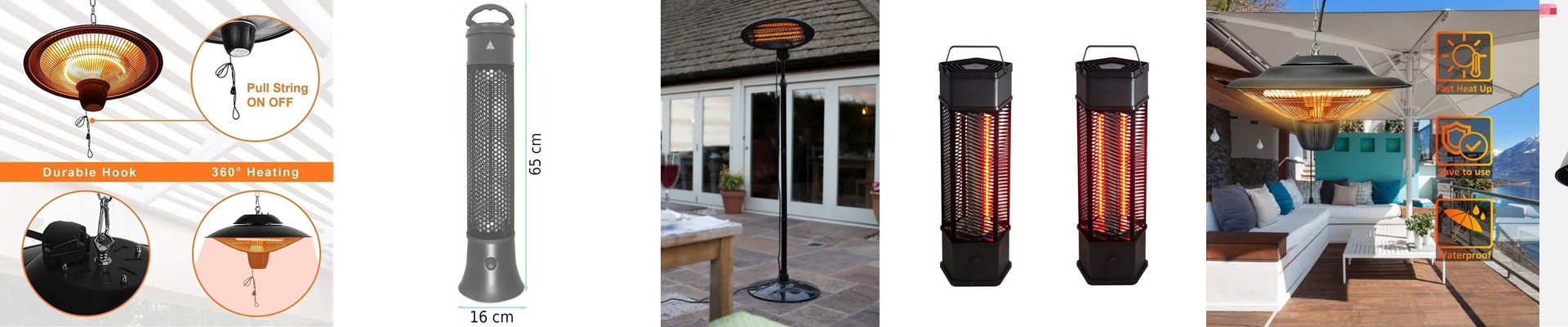
This heater leans on radiant infrared warmth, so it sends heat straight to people and surfaces instead of trying to warm the air. You feel it almost instantly, and it holds steady even when a winter gust cuts across the patio. Inside, a carbon fiber heating element gives you fast response and a long service life, powered by a 1500W electric system that plugs into a standard outlet. The built-in thermostat keeps output consistent, and the IP rating makes it suitable for covered outdoor areas. Control is straightforward: the app handles scheduling, heat adjustment, and usage monitoring. Pre-warm before service, then dial it back once the rush winds down.
Why this makes sense for an open-air restaurant
On cold nights, this turns the patio into viable seating again. Guests arrive earlier and linger longer, which lifts covers and helps with table turnover. Because infrared warmth reaches people within seconds, staff don’t have to wait around for the space to “feel right”—service starts sooner. Energy use stays focused, since you’re heating only when the patio is active, and the durable build cuts down on weather-related downtime and the wear of heavy use.
The details that matter on the install floor
Plan for a dedicated circuit, and mount the unit where it’s protected according to its IP rating. Infrared heat is effective outdoors, but it won’t fight strong wind or warm unprotected air on its own. For the best results, aim heaters at seating zones and add wind shields where you need them.