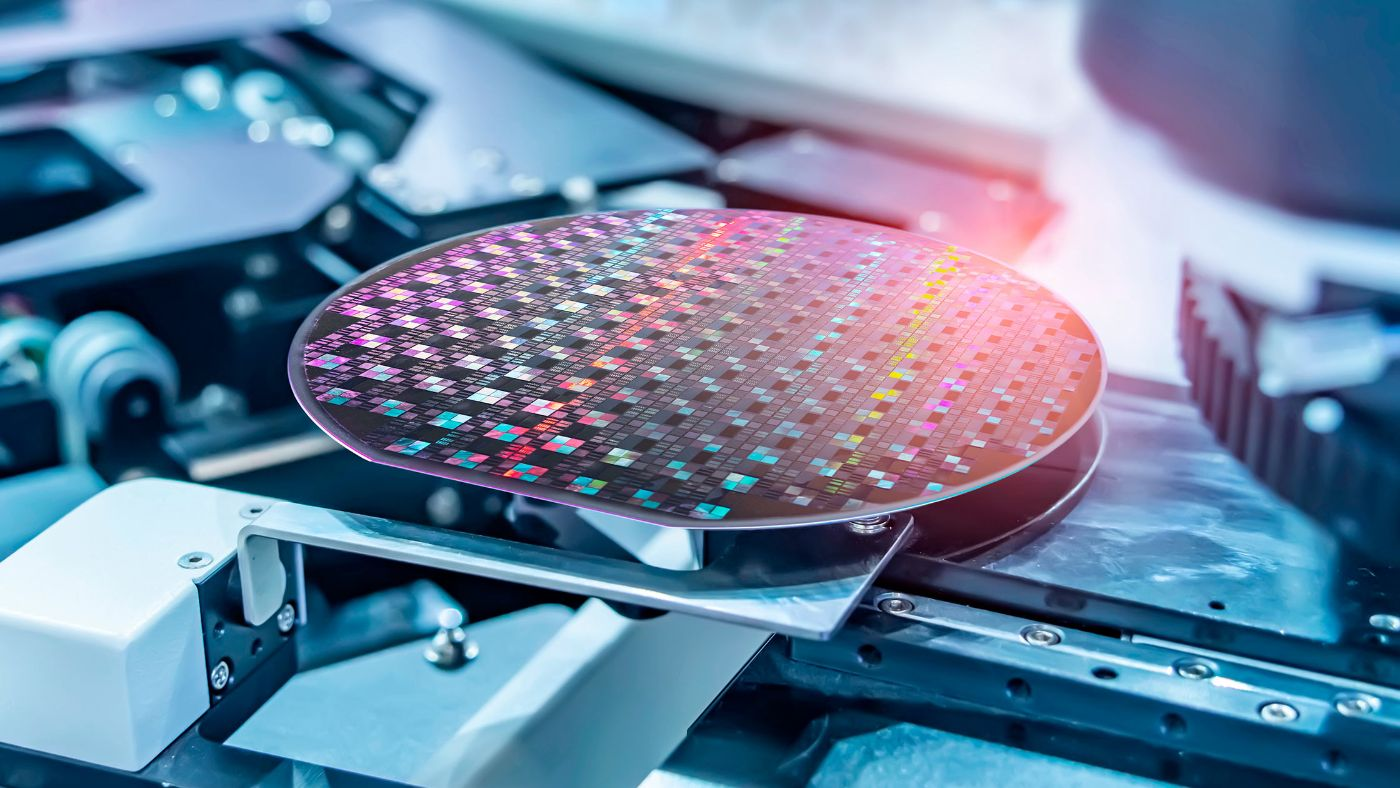
On the wafer floor, a few degrees of temperature drift during GaN epitaxy doesn’t just nudge yield—it wipes it out. You lose thickness control, you lose sheet resistance consistency, and the edge devices your customers are paying for simply don’t perform.
What matters, technically
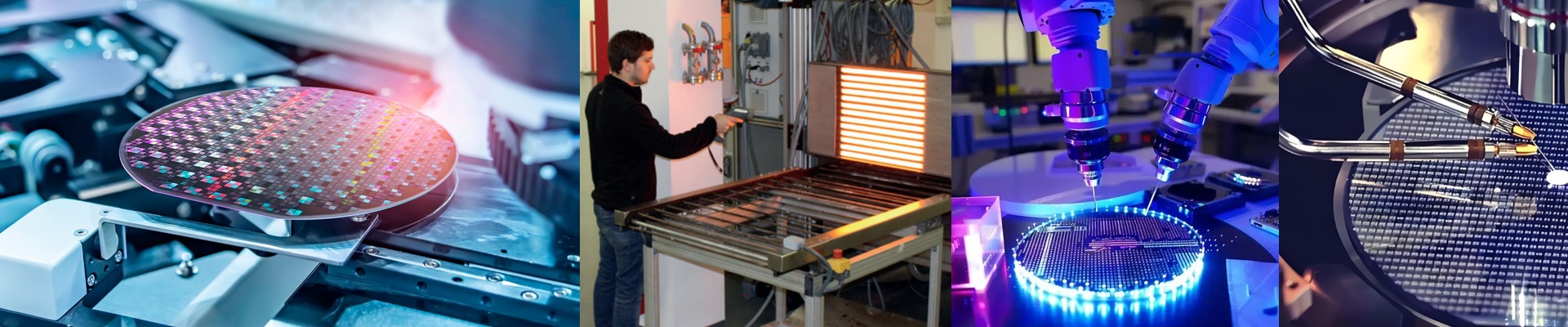
We run a GaN MOCVD infrared heater that keeps sub-millimeter uniformity by pairing a tightly controlled short-wave IR source with a quartz-based thermal stack. The payoff is a repeatable thermal field across the wafer, held within ±0.1°C at the wafer level. This isn’t a lab number—it’s the same thermal profile, run after run, chamber after chamber. The platform is built for cleanroom reality: zero particle generation in steady-state operation, and stable output across Class 1–100 environments.
Why it holds up in MOCVD
In MOCVD, thermal repeatability is the dividing line between predictable epitaxy and expensive rework. You get stable run-to-run thermal budgets, tighter process windows, and fewer qualification headaches. The heater responds quickly and holds control tightly, so idle stabilization time drops. Cycle time comes down without forcing you to trade off film quality. Energy use is smarter, too—IR output is matched to the load, not cranked up to chase hot spots.
The practical details you’ll run into
The heater works with standard MOCVD platforms, but integration is sensitive to chamber geometry and line-of-sight to the susceptor. Plan a joint commissioning to dial in emissivity, alignment, and control tuning. Expect a small dip in peak intensity once quartz components start to coat. Keep a preventive maintenance schedule, and you’ll keep uniformity inside spec.