

Picking the Right Infrared Heater for Your Soft Bake: A Real-World Guide
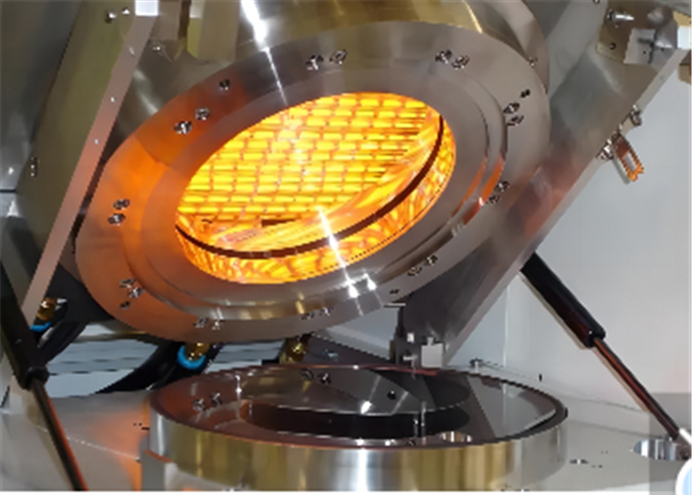
Let’s talk about that soft bake step in semiconductor manufacturing. It’s not just another box to tick. It’s the moment you pull the solvent out of the photoresist, so you get a clean, even layer before exposure. And to get that right, you need a heating source that’s fast, steady, and accurate. That’s where industrial infrared heating elements come in—built to perform, without the fancy price tag.
Power, Voltage, and Size—What Actually Matters
Here’s the heart of it: power density. We’re talking a 400V, 2500W setup packed into a 300mm tube. It’s built for speed. That high wattage per inch means serious heat, and the lamp hits operating temperature almost instantly. In practice, that cuts down your soft bake time on the wafer track. And that 400V rating? Not random. It’s a direct-line voltage choice that keeps the current manageable, so you don’t get a voltage drop across long wire runs inside the equipment. The payoff is simple: the lamp holds the temperature where you need it—at the target—not just at the terminal.
The Build: What’s Inside That Makes It Tick
These are shortwave infrared halogen lamps. Inside the quartz envelope, the halogen cycle keeps the filament clean, which helps maintain stable output over the life of the lamp. The quartz tube itself can take the shock of rapid on/off cycles without cracking. Then there’s the R7s base—the standard footprint in the industry. It’s a straightforward two-pin connection that’s easy to wire and gives you a solid mechanical and electrical fit. That means the lamp drops right in when you’re doing maintenance, so you spend less time down and more time running.
On the Floor: Where It Earns Its Keep
Out in the shop, these lamps are tough. The high heat density gets you to the right temperature, exactly where you need it, and fast. That’s what the semiconductor process demands for consistent photoresist adhesion. Now, with that kind of power comes one practical reality: heat management. A 2500W output puts a lot of heat into the area around the lamp, so your machine’s cooling system needs to be up to the task. When everything is matched up properly, you get performance that stacks up against the big brands—at a factory-direct price. That translates to a strong return on the initial investment and lower replacement costs down the road.