
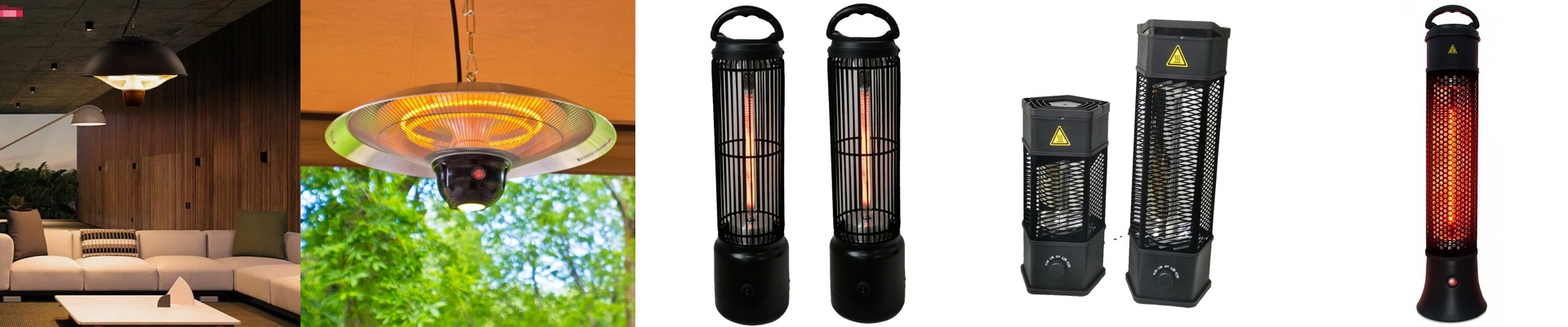


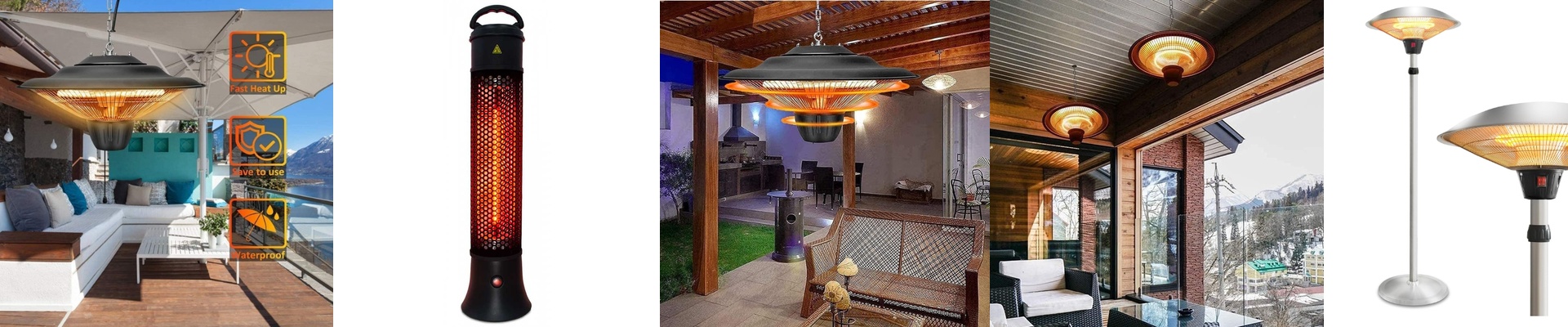
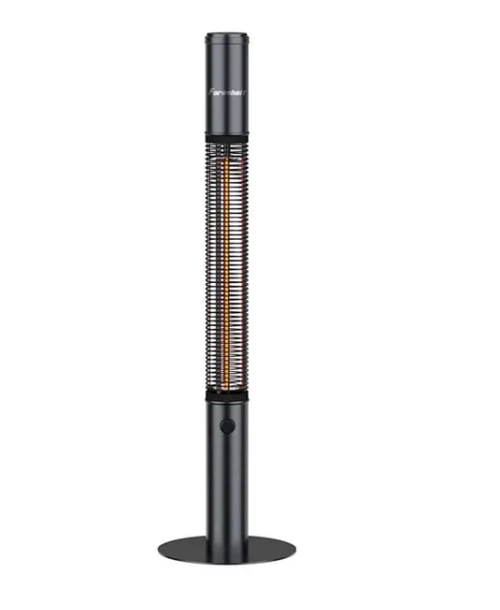
Damp basement air has a way of sticking to you. The kind of cold that isn’t just a number on a thermostat—it’s a wet heaviness you feel in your bones. Comfort doesn’t vanish; it just gets crowded out by moisture, and the room feels like it’s sinking. That’s where a low-power, wall-mounted infrared heater earns its keep.
What matters, under the hood
We built this around radiant heat, not a fan that just pushes warm air around. The core is a carbon fiber element inside a sealed quartz tube, sending out infrared warmth that goes straight to people and objects. You feel heat almost immediately, without waiting for the room air to cycle through. Wattage is matched to basement duty—typically 800–1200W—so you can heat the spots you actually use without tripping a standard 120V circuit. A built-in thermostat keeps your comfort level steady, and tip-over protection shuts the unit off if it gets bumped. In humid spots, the IP rating keeps the internal electronics protected from damp conditions.
Why this approach works in a basement
Basements stay cold because they’re wrapped in earth, and they stay damp because air movement is minimal. Radiant infrared warmth hits you first, so you don’t have to heat the whole volume of air to feel comfortable. At the same time, the gentle heat helps air circulate a bit more and nudges surfaces to dry out, which cuts down that clammy, clinging feeling. Since it’s wall-mounted, you keep floor space open—handy for storage areas, workshops, or finished basement seating. Energy use stays modest because the heater runs on demand and doesn’t run a blower that pulls in cold air from outside.
The practical stuff
Installation is straightforward, but placement matters. Mount the unit on a dry interior wall, about seated or standing height, and keep it clear of curtains and stored materials. For best results, pair it with a small exhaust or dehumidifier during stretches when humidity spikes. One real-world note: infrared heat delivers comfort fast, but it won’t dry out an entire basement if water is actively getting in.Fix the leaks first.