


Stop Freezing on Your Own Patio
Most of us are used to the same old routine: you walk outside, realize it’s freezing, and spend five minutes fumbling with a manual switch or a clunky timer while you shiver. It’s a mood killer. But imagine this instead. You’re still inside, maybe finishing a drink or grabbing a blanket, and you just tap a button on your phone. By the time you actually step onto the deck, the air is warm and the space is ready for you. Here is how to actually make that happen.
The Gear You’ll Need
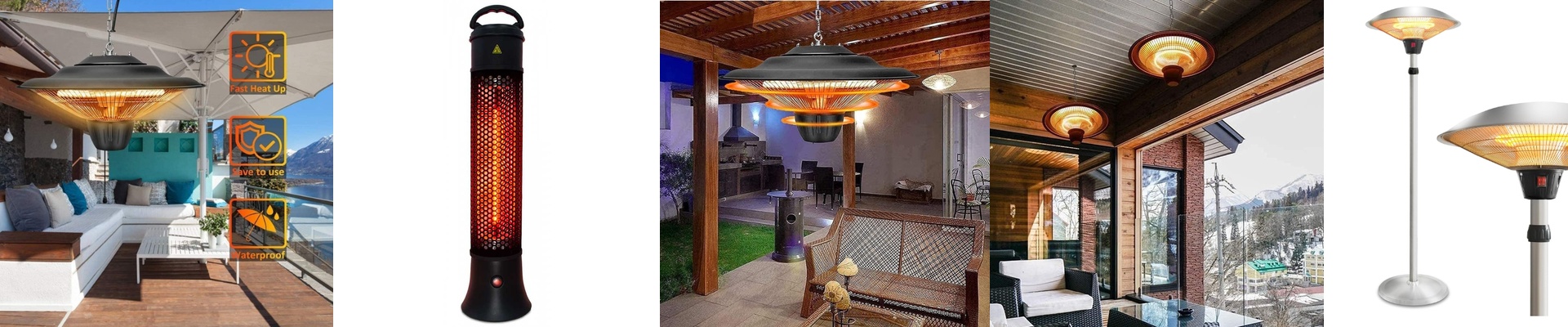
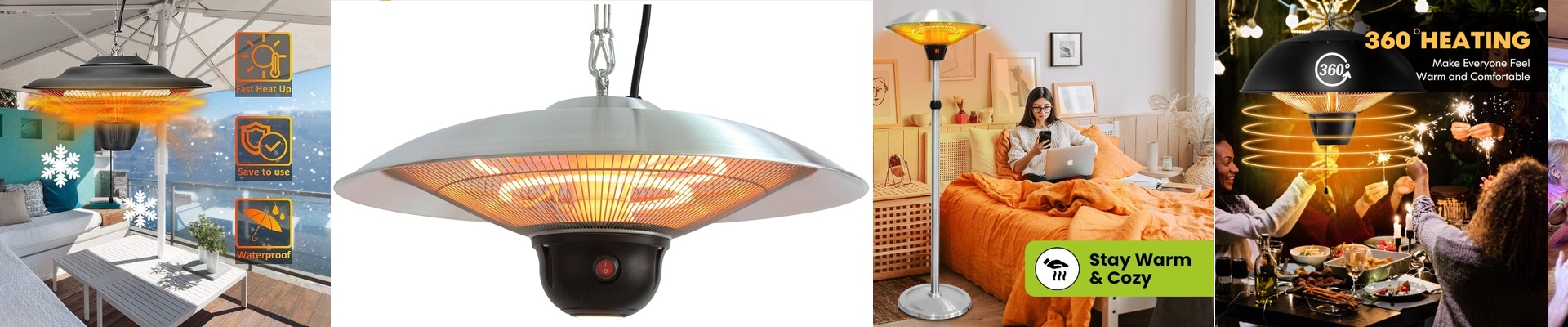
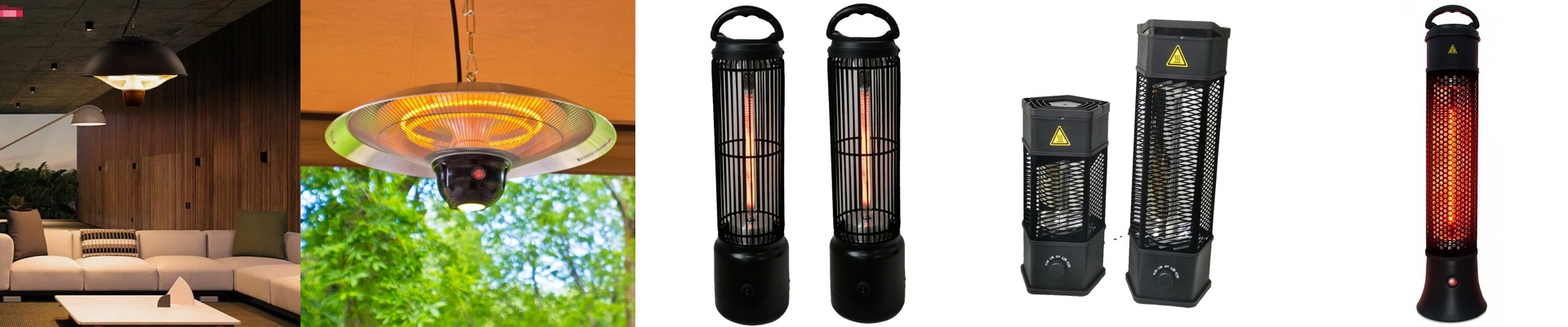
First, you need a heater that won’t die the first time it rains. Look for IP-rated infrared heaters. These are built for the outdoors, so you don’t have to worry about a little moisture causing a short circuit the moment the power kicks in. I always suggest going with short-wave infrared. Why? Because it doesn’t waste energy trying to heat the open air—which is basically impossible if there’s a breeze. Instead, it beams heat directly onto you. It feels like sitting in the sun on a crisp autumn day.
Making it “Smart”
This is where the magic happens. By pairing your heater with a smart relay or a Zigbee/Matter controller, you get that “instant spring” feeling. You hit a button, the relay clicks, and the heat hits you in seconds. And if you want to get fancy, add an ambient temperature sensor. I love setting mine to a simple rule: if it drops below 10°C, the heater is allowed to turn on. But if it’s a mild 20°C day? The system just locks the heater out. It saves you money and stops you from accidentally roasting your guests.
A Quick Warning (Don’t Skip This)
Here is the part where people usually mess up.Do not plug a high-wattage heater into a cheap smart plug. Most patio heaters pull between 1500W and 3000W. A standard 10A smart plug will likely melt or burn out in minutes. It’s not worth the risk. You need a heavy-duty contactor or a high-amp smart relay that is actually built for that kind of load. Also, since outdoor cables can be long, I usually size the wiring for 125% of the max current. It prevents voltage drops and ensures the heater actually gets hot enough to do its job.